Running simulations on data center emissions is becoming a practical economics exercise, not just an environmental reporting task. The research available in 2026 points to a clear pattern: stricter emission standards can change who pays for new load, how regional power markets respond, and which skills telecom and infrastructure teams need to manage capacity responsibly.
The evidence is strongest where models connect data center electricity demand to wholesale power prices, … Read the rest
AI safety standards are moving from policy language into event agendas that matter for telecom, cybersecurity, and critical infrastructure professionals. As of October 3, 2026, the most relevant near-term panels include one Brookings online discussion on October 6, 2026, and two OpenAI Forum in-person events later in October. The evidence does not show that a single international standard has been settled. It does show that national security, model evaluation, cyber … Read the rest
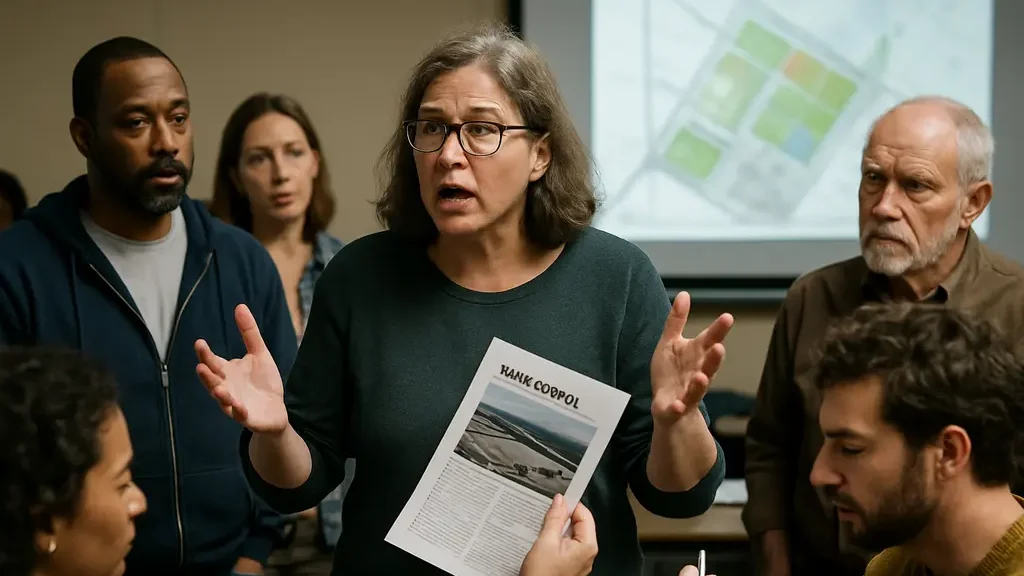
AI Data Center Workshops have become a practical event format for communities, developers, utilities, planners, and local officials facing disputes over siting, power demand, water use, land use, and public benefit. The format is useful only when it is designed for evidence exchange rather than persuasion. A workshop that treats opposition as a communications problem will often miss the technical and civic questions that are driving concern.
AI Cybersecurity Roles are becoming harder to define by traditional job titles alone. Palo Alto Networks’ recent research points to a security environment where identity exposure, cross-surface intrusions, browser activity, and faster exploitation timelines are pushing defenders toward broader technical judgment. For telecom professionals, the message is especially relevant because carrier environments combine networks, cloud systems, SaaS tools, customer identity, field operations, and regulated service obligations.
Grid upgrade engagement is becoming a practical planning requirement as AI-related data center demand changes the scale, timing, and public visibility of electricity infrastructure decisions. Communities are not only being asked to accept new wires, substations, and interconnection work. They are being asked to evaluate projects tied to fast-growing digital services whose local benefits, costs, and tradeoffs are not always obvious.
The clearest evidence comes from grid planning research released … Read the rest
Light-Touch AI Rules became a formal G20 position on September 2, 2026, after innovation ministers met in Chapel Hill, North Carolina. For U.S. industry, the most relevant point was not that AI regulation disappeared. It was that the G20 endorsed a principles-based approach that favored existing sector regulators over the creation of entirely new AI-specific authorities.
That distinction matters for telecom operators, network vendors, cloud providers, and enterprise AI buyers. … Read the rest
Data Center Opposition is now a planning variable for developers, local officials, utilities, and event teams that convene public meetings. The issue is not simply whether residents support or reject a project. Recent cases show that public concern can change schedules, force new evidence into the record, alter zoning decisions, and, in some cases, stop projects after significant preparation.
Between January 2024 and May 2026, at least 46 AI data … Read the rest
AT&T’s new agreement to buy more than $3 billion of fiber and cable from Corning is bigger than a broadband expansion announcement. It shows how telecom fiber supply strategy is moving upstream: operators increasingly have to secure the physical materials behind network growth years before customers actually consume the capacity.
That matters because fiber now supports several growth curves at once. Residential broadband, mobile backhaul, cloud connectivity, enterprise services and … Read the rest
Data center pollution has moved from a technical permitting issue to a community engagement issue in several U.S. regions as residents question gas-fired engines, diesel backup systems, noise, water use, and public health risks. As of September 29, 2026, some discussions were still active, while several July 2026 hearings and comment windows had already closed.
The public record is uneven. Some cases involve formal air quality permits and public hearings. … Read the rest
Data center environmental compliance is becoming less about a single air permit decision and more about how site construction, backup generation, grid power, public records, and state-level implementation fit together. EPA actions in 2026 did not create one unified data center rule, but they did change several decision points that matter to operators, utilities, permitting consultants, and local agencies.
The practical effect is uneven. Some proposals could reduce federal process … Read the rest