AI Cost Allocation was no longer a narrow utility-rate topic after the September 2026 conference cycle. By October 5, 2026, the relevant federal and industry events had already taken place, so the useful question for event organizers is not how to promote an upcoming meeting. It is how to interpret what changed across policy, agenda design, and stakeholder expectations.
Several September meetings treated AI data center power demand as a … Read the rest
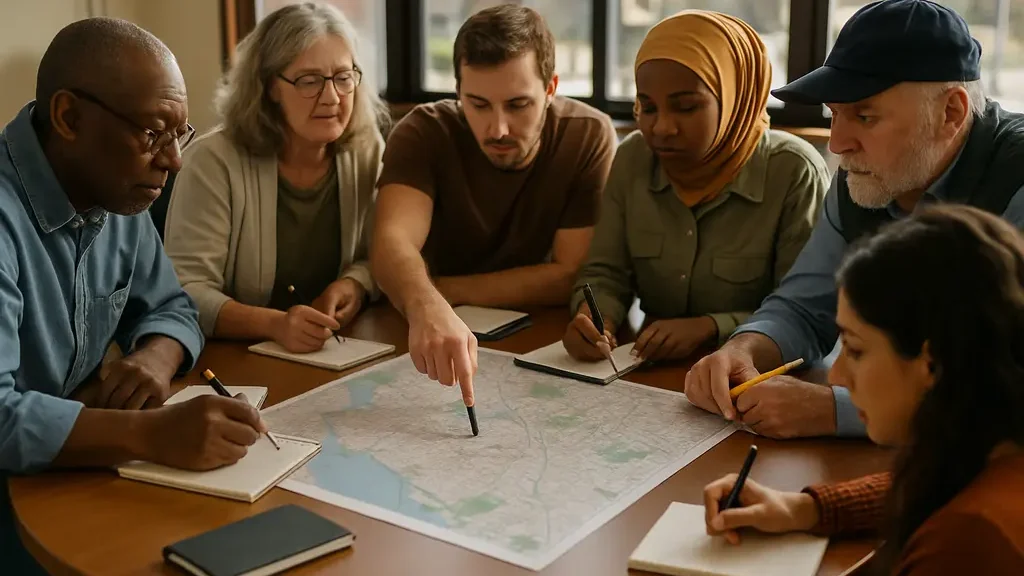
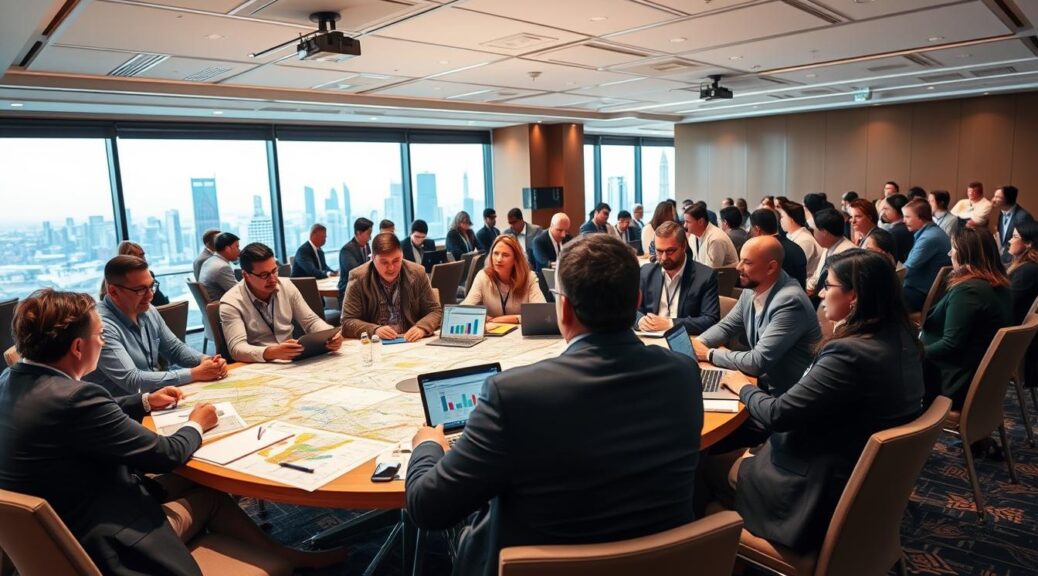
AI Data Center Workshops have become a practical event format for communities, developers, utilities, planners, and local officials facing disputes over siting, power demand, water use, land use, and public benefit. The format is useful only when it is designed for evidence exchange rather than persuasion. A workshop that treats opposition as a communications problem will often miss the technical and civic questions that are driving concern.
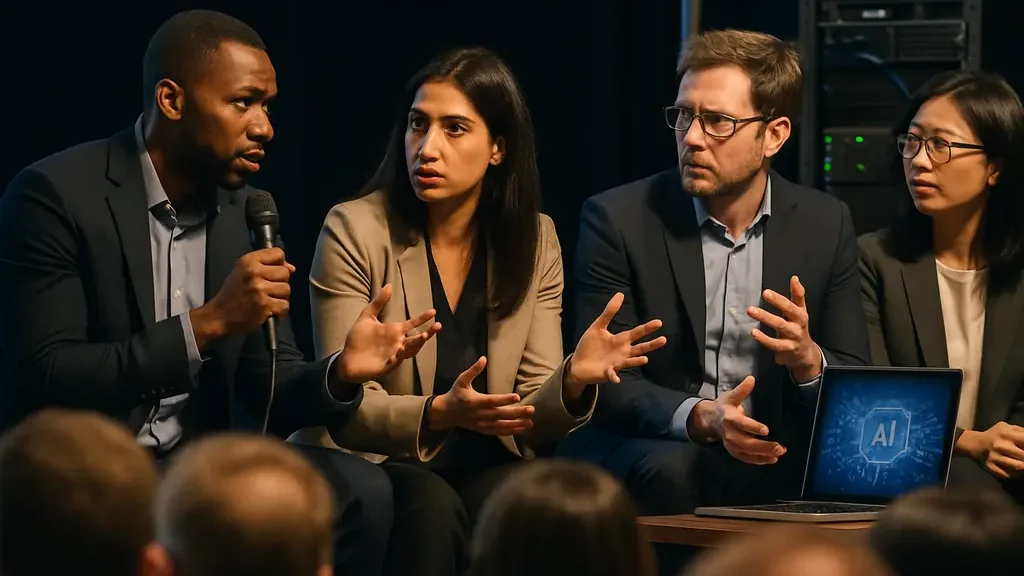
AI Regulation Forums are becoming more closely tied to data center management because AI policy questions now sit next to practical questions about power, cooling, resilience, information governance, and public trust. For event managers, that changes the work: a forum agenda can no longer treat governance and infrastructure as separate tracks if the audience includes operators, local officials, enterprise technology teams, and community representatives.
The NIST AI Data Center comment window is no longer a future planning item. NIST published the initial public draft of Special Publication 800-239 on July 27, 2026, and the public comment period remains open through September 25, 2026, according to the NIST CSRC announcement. As of September 21, 2026, organizations have four calendar days left to complete review, reconcile internal positions, and submit focused feedback.
Data Center Regulation is becoming a practical planning issue for event teams that support public agencies, operators, utilities, workers, and community groups. The regulatory discussion is no longer limited to technical energy efficiency targets. It now includes reporting duties, permitting conditions, community input, public health concerns, grid cost allocation, and documented consultation.
For an industry event specialist, that shift changes the purpose of a workshop. A useful session cannot be … Read the rest
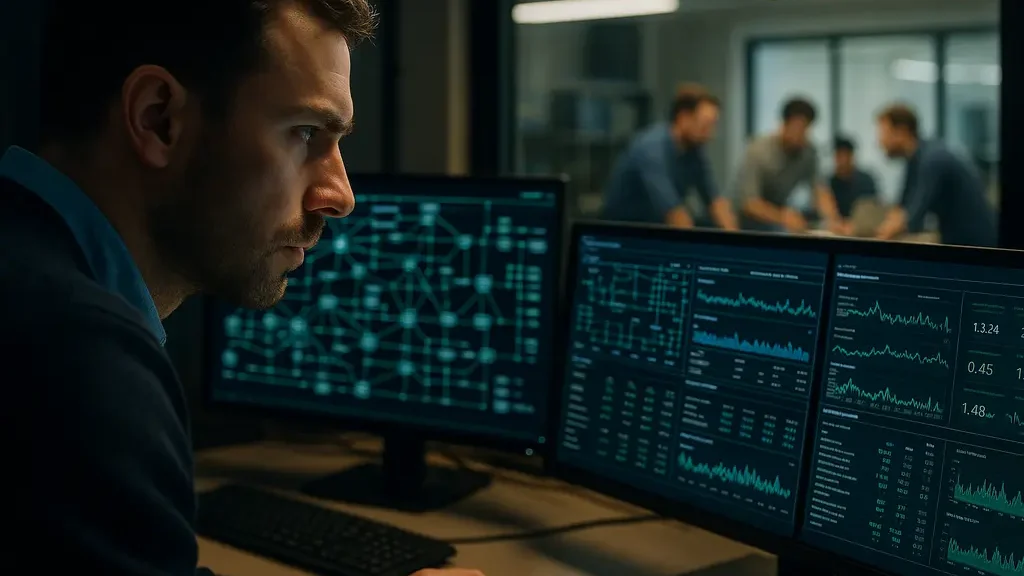
Enterprise AI adoption is moving from conference-stage ambition toward harder network design questions: where inference runs, how private 5G fits edge sites, whether Ethernet fabrics can carry AI traffic predictably, and who owns long-term operations. Nvidia’s recent developments give enterprise and telecom teams useful signals, but they do not remove the need for disciplined assessment.
For event planners and community organizers in telecom, the practical issue is not whether AI … Read the rest
Do you remember those old conference rooms with bad coffee and name tags that wouldn’t stick? We’ve moved beyond that. Today’s gatherings are about more than just getting through a few handshakes.
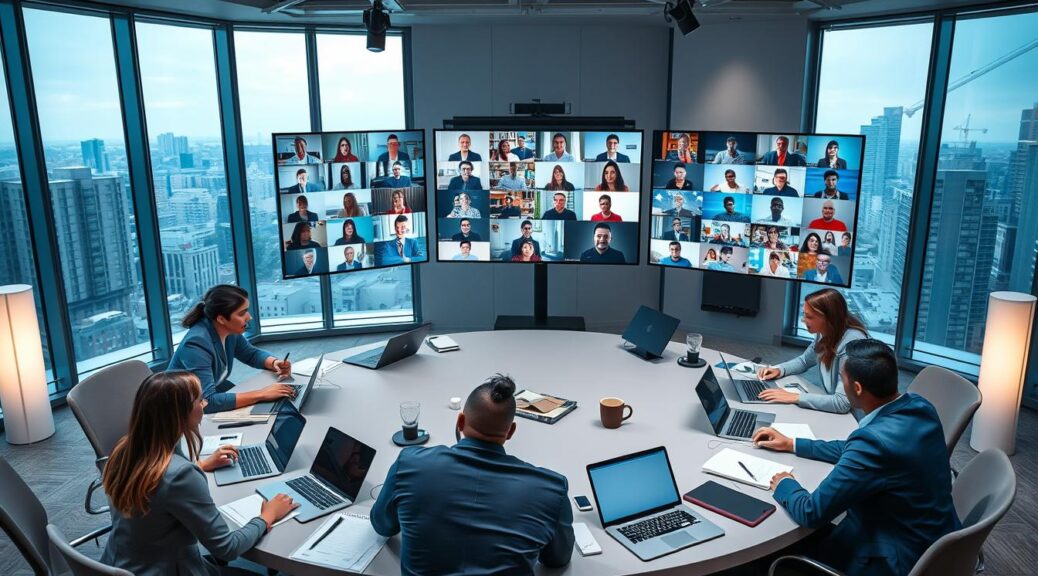
Now, hybrid telecom conferences mark a big change. They’re not just a leftover from the pandemic. They’re the new way we connect and talk about the future of networks.
This guide isn’t about just adding a webcam to … Read the rest
Most industry meet-ups feel like a dial-up modem connection. Imagine a generic hotel conference room, the smell of lukewarm coffee, and a presenter reading their LinkedIn feed.
But what if a well-executed local gathering could make more of an impact than big national conferences? Today, every minute and dollar is watched closely. A bad meeting is more than just annoying.
One source says bad meetings “waste time, money, resources, and … Read the rest