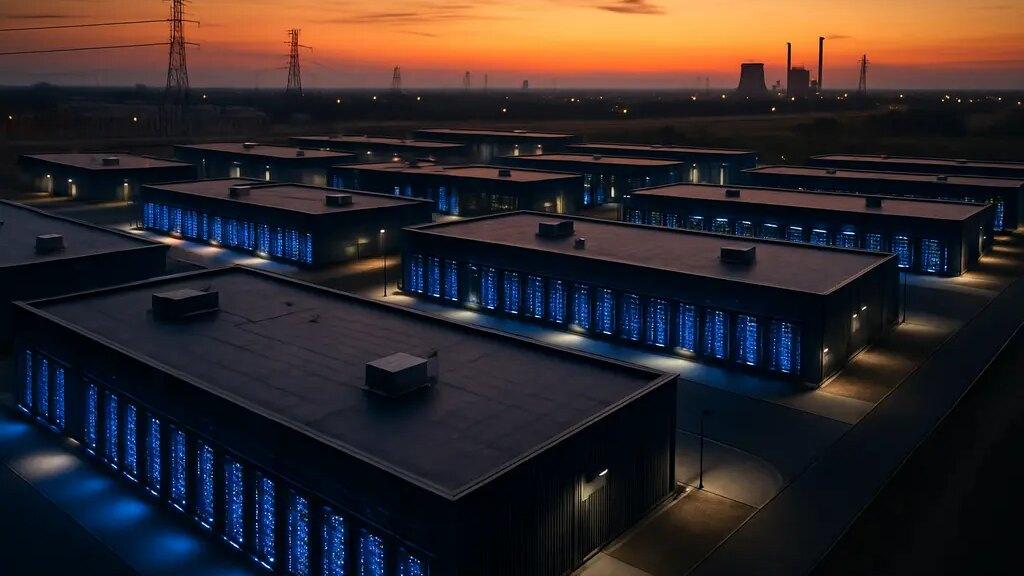
AI Data Center Workshops are no longer just technical meetings about load growth. After several 2024–2026 events and hearings, they have become practical records for utilities, telecom infrastructure teams, local officials, and community representatives trying to interpret legislative changes around power costs, grid upgrades, and large-load accountability.
From a telecom career and planning perspective, the shift matters because AI data center demand touches fiber routes, substations, backup power, land-use review, … Read the rest
AI safety standards are moving from policy language into event agendas that matter for telecom, cybersecurity, and critical infrastructure professionals. As of October 3, 2026, the most relevant near-term panels include one Brookings online discussion on October 6, 2026, and two OpenAI Forum in-person events later in October. The evidence does not show that a single international standard has been settled. It does show that national security, model evaluation, cyber … Read the rest
AI Cybersecurity Roles are becoming harder to define by traditional job titles alone. Palo Alto Networks’ recent research points to a security environment where identity exposure, cross-surface intrusions, browser activity, and faster exploitation timelines are pushing defenders toward broader technical judgment. For telecom professionals, the message is especially relevant because carrier environments combine networks, cloud systems, SaaS tools, customer identity, field operations, and regulated service obligations.
Light-Touch AI Rules became a formal G20 position on September 2, 2026, after innovation ministers met in Chapel Hill, North Carolina. For U.S. industry, the most relevant point was not that AI regulation disappeared. It was that the G20 endorsed a principles-based approach that favored existing sector regulators over the creation of entirely new AI-specific authorities.
That distinction matters for telecom operators, network vendors, cloud providers, and enterprise AI buyers. … Read the rest
AI Data Center Costs are now a utility policy issue, not only a technology-sector budgeting concern. On September 16, 2026, the U.S. House of Representatives passed the Ratepayer Protection Act by a 417–3 vote, requiring state utility regulators to consider whether large electricity users, including AI data centers, should bear incremental infrastructure costs tied to serving their load, as reported by The Washington Post.
The DOE Power RFI gives utilities, equipment suppliers, software providers, telecom-adjacent service teams, insurers, labor groups, governments, and other affected parties a short window to place technical evidence in the federal record. As of September 22, 2026, the webinar associated with the request had already taken place on September 16, 2026, but written comments remained open until October 9, 2026.
The request was published on September 9, 2026, under docket … Read the rest
The FTC AI accuracy proposal published on July 1, 2026, has shifted the compliance discussion from general AI risk toward a narrower question: when does a provider or deployer distort an AI system’s output in a way that conflicts with users’ reasonable expectations? For telecom operators and vendors using AI in customer care, network operations, fraud review, workforce tools, and enterprise products, that distinction matters because accuracy claims, safety controls, … Read the rest
AI safety regulations are no longer limited to model testing, privacy review, or board-level risk registers. They now affect electricity demand, grid connection timelines, ratepayer exposure, cybersecurity controls, and the skills expected from professionals who work near telecom, utilities, cloud infrastructure, and data center operations.
From a professional growth standpoint, the key change is that safety regulation is becoming operational. A telecom network planner, security analyst, data center engineer, procurement … Read the rest
The FCC Rip-and-Replace program entered a more operational phase during 2026. For small carriers, the opportunity is no longer mainly about securing reimbursement; it is about completing delayed replacement work, documenting compliance, controlling vendor risk, and closing projects without creating new service or audit exposure.
That distinction matters for workforce planning and business development. The program was designed for advanced communications service providers replacing covered Huawei or ZTE equipment obtained … Read the rest
AI Legislative Hearings require a more careful reading than the word “upcoming” may suggest. As of August 28, 2026, the AI-focused committee hearings identified in the available record had already occurred, and no September 2026 or later hearing explicitly labeled as AI-focused was listed in the major open calendars reviewed. That does not remove the participation opportunity. It changes it from event attendance to record review, written follow-up, staff engagement, … Read the rest