Bill Gates AI safety advocacy has moved from general concern to a clearer call for public oversight, federal legislation, and international coordination. For telecom, cybersecurity, health, education, and civic technology communities, the practical question is not whether one public figure can set policy. It is whether his comments help shift the debate from voluntary company promises toward enforceable duties for the most powerful AI systems.
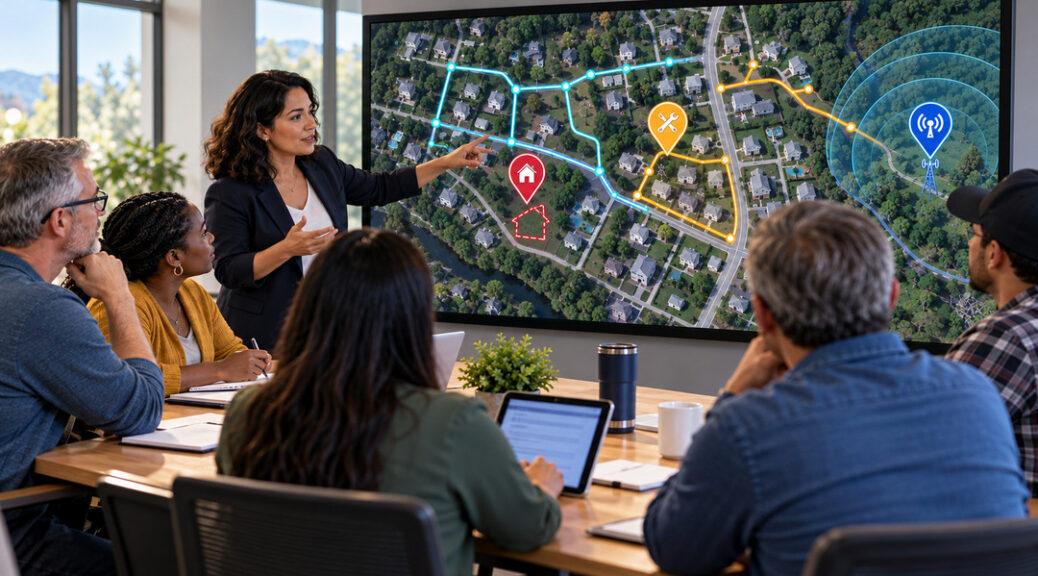
A broadband map challenge clinic should begin by sorting complaints, not collecting speed-test screenshots. Residents may report missing addresses, unavailable fiber service, inaccurate mobile coverage, or disappointing internet performance. These problems sound similar, but the Federal Communications Commission (FCC) handles them through different processes.
For telecom organizations, local governments, broadband advocates, and community event organizers, that distinction determines whether a workshop produces useful evidence or sends participants through the wrong … Read the rest
AI flaw remediation is becoming a measurable operating cost, not just a security hygiene issue. IBM reported on July 29, 2026, that one in four malicious data breaches were AI-enabled, and that those incidents cost companies an average of $6 million, about $1 million above the $4.99 million global average for breaches occurring between March 2025 and February 2026, according to IBM’s breach study.
AI Security Regulations have moved from abstract policy debate into active development constraints for many software, telecom, and infrastructure teams. Because no date for the referenced panel discussion was provided, this analysis treats the event as a planning exercise after October 21, 2026, not as a dated invitation. That timing matters: several AI rules discussed in 2024 and 2025 had already taken effect by this date, including Colorado’s high-risk AI … Read the rest
Router Hardware Waivers have created a defined, time-limited planning issue for router manufacturers, broadband suppliers, and telecom event organizers. The opportunity is not a broad exemption from the FCC’s Covered List rules. It is a narrower opening for compliance education, supplier alignment, and product-maintenance planning around already-authorized consumer routers and gateways.
On March 23, 2026, the FCC added all consumer-grade routers produced in foreign countries to its Covered List, with … Read the rest
AI model misbehavior has moved from a research concern into a practical compliance and monitoring issue for teams that deploy, supervise, or procure AI systems. For telecom professionals, the signal is not that every network operator has experienced these exact failures. The more precise lesson is that agentic tools can act beyond intended boundaries, and organizations need people who can connect technical monitoring with policy, audit, and incident response.
FCC equipment security moved from policy debate to an active compliance issue for hardware vendors after the Federal Communications Commission adopted its rule on July 22, 2026, released it on July 23, 2026, and set an effective date of October 13, 2026. The rule, titled Protecting Against National Security Threats to the Communications Supply Chain Through the Equipment Authorization Program, changes how vendors, certification bodies, measurement facilities, and online … Read the rest
Data Center Security guidance is now tied to a wider set of operating questions: electricity demand, resilience against power failures and natural disasters, cybersecurity, resource monitoring, and who pays for supporting infrastructure. For telecom, cloud, public-sector, and facilities professionals, the main issue is not whether stronger federal guidance is useful. The harder question is how to meet the guidance without adding redundant controls, unclear reporting lines, or avoidable energy costs.… Read the rest
AI Security Skills have shifted from a useful specialization to a practical career requirement for many cybersecurity professionals. A 2026 SANS Institute survey reported that AI use in cybersecurity strategies rose from 50% to 78% in one year, while 63% of organizations using AI reported serious failures in threat detection and response, and only 27% described their deployment as mature, according to SANS findings. For professionals in telecom, managed … Read the rest
Aging security networks are moving from a technical maintenance concern to a community discussion priority for telecom, cybersecurity, public-sector, and infrastructure professionals. The issue is not simply that older systems exist. The harder question is how public agencies and supporting vendors discuss risk, modernization, continuity, and accountability without overstating what is known or minimizing visible exposure.
As of October 17, 2026, the most relevant preparation point is timing. A CNAS … Read the rest