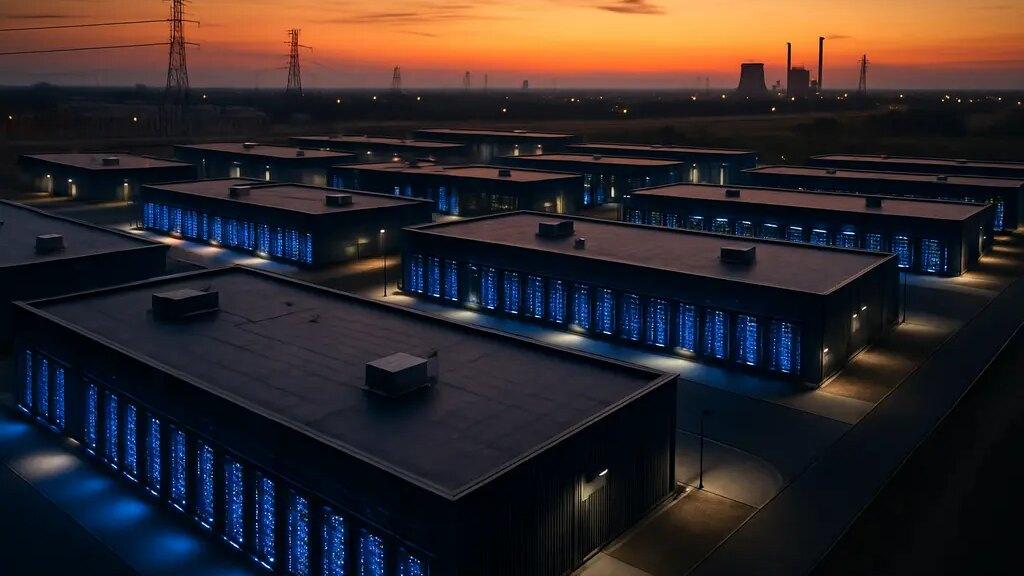
AI Data Center Costs are now a utility policy issue, not only a technology-sector budgeting concern. On September 16, 2026, the U.S. House of Representatives passed the Ratepayer Protection Act by a 417–3 vote, requiring state utility regulators to consider whether large electricity users, including AI data centers, should bear incremental infrastructure costs tied to serving their load, as reported by The Washington Post.
Data Center Growth is no longer a narrow infrastructure issue for cloud providers, utilities, and hyperscale developers. It has become a public engagement issue, especially in communities asked to host large electricity loads, water-intensive cooling systems, transmission upgrades, and backup generation. From an industry events perspective, the shift matters because public meetings are now carrying more technical content: grid capacity, ratepayer exposure, local approvals, environmental permitting, and transparency expectations.
Computational Loads moved from policy concern to standards-development work on September 19, 2026, when NERC announced that foundational reliability standards had passed an initial ballot. That ballot result was preliminary, not a final rulebook. For grid operators, utilities, large IT equipment hosts, and telecom professionals who depend on reliable power and network continuity, the signal is still meaningful: NERC is creating a formal reliability framework for large, fast-changing demand tied … Read the rest
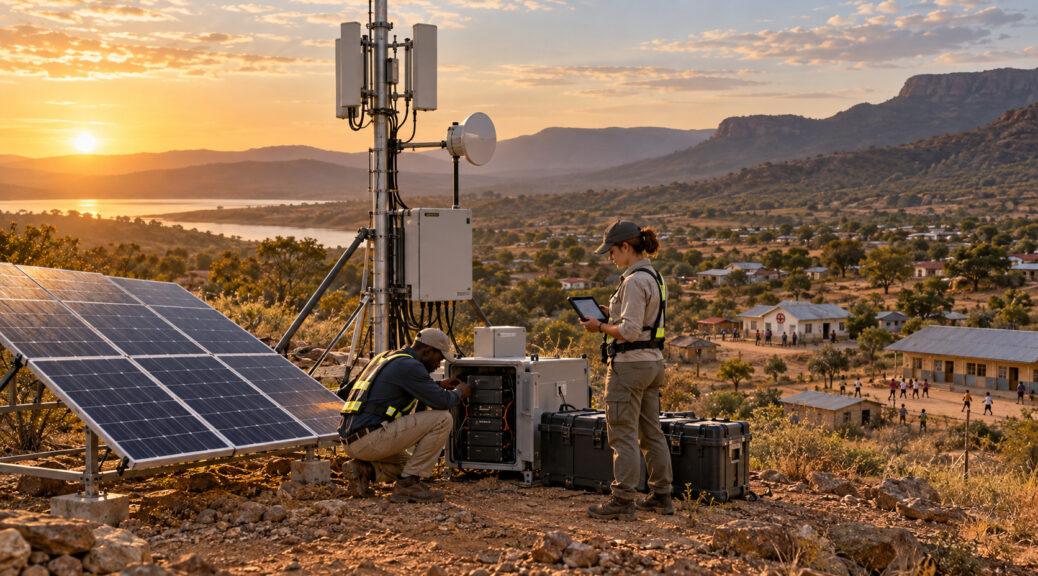
Solar powered 5G sites are starting to look less like a sustainability experiment and more like a practical deployment option where conventional mobile infrastructure is slow or expensive to build. A new U Mobile and ZTE proof of concept in East Malaysia combined solar generation, battery storage, satellite backhaul and lightweight radio infrastructure into a site that operated without grid electricity or terrestrial fiber.
Data Center Regulation moved into a more defined federal policy frame on September 16, 2026, when the U.S. House of Representatives passed H.R. 9340, the Ratepayer Protection Act, by a 417-3 vote. The bill targets a specific question that has become harder for utilities, regulators, data center operators, and host communities to ignore: who should pay when very large electric loads require grid upgrades?
AI vulnerabilities in U.S. government systems became a sharper public concern after a June 23, 2026 report that Anthropic’s Mythos model identified weaknesses in highly sensitive government computer systems during a testing exercise. The reported facts are narrow but significant: the model found vulnerabilities within hours, the exercise involved Project Glasswing and U.S. intelligence agencies, and the model did not exploit the systems during that timeframe, according to The Washington … Read the rest
Network tomography telecom moved from laboratory promise to live service-provider testing in France this month. Nokia and Orange France say a September 10 trial on Orange’s optical transport network produced near-real-time, link-by-link visibility using data already generated by coherent optical transmissions, pointing toward a different way to find physical-layer problems before customers feel them.
The significance is operational. Telecom networks are already moving toward automated assurance, predictive maintenance, and AI-assisted … Read the rest
The FERC Physical Security Standard changed on September 10, 2026, when the Federal Energy Regulatory Commission approved Reliability Standard CIP-014-4, replacing CIP-014-3 for physical security of certain Bulk Electric System facilities. FERC’s September 2026 meeting summary identified the approval under Order RD26-9-000 FERC meeting summary. The practical effect is not immediate operational enforcement, because CIP-014-4 has an effective date of October 1, 2028, but the lead time matters for … Read the rest
The DOE Emergency Order issued on August 19, 2026, matters because it moved Mid-Atlantic grid management from ordinary summer readiness into emergency operating authority. For telecom, data center, and infrastructure teams in the PJM region, the order is not just an energy-policy detail. It is a signal that power availability during extreme heat can depend on temporary operating permissions, constrained generation, and demand-side tools working together under stress.
EPA Data Center Rules changed in several procedural areas during 2026, with the most visible shift affecting how air permits for smaller pollution sources may be noticed, reviewed, and challenged. The changes did not rewrite federal emission limits in the research record provided here. They did, however, alter the process around permitting, construction sequencing, and certain power configurations that can matter for communities hosting large compute campuses.