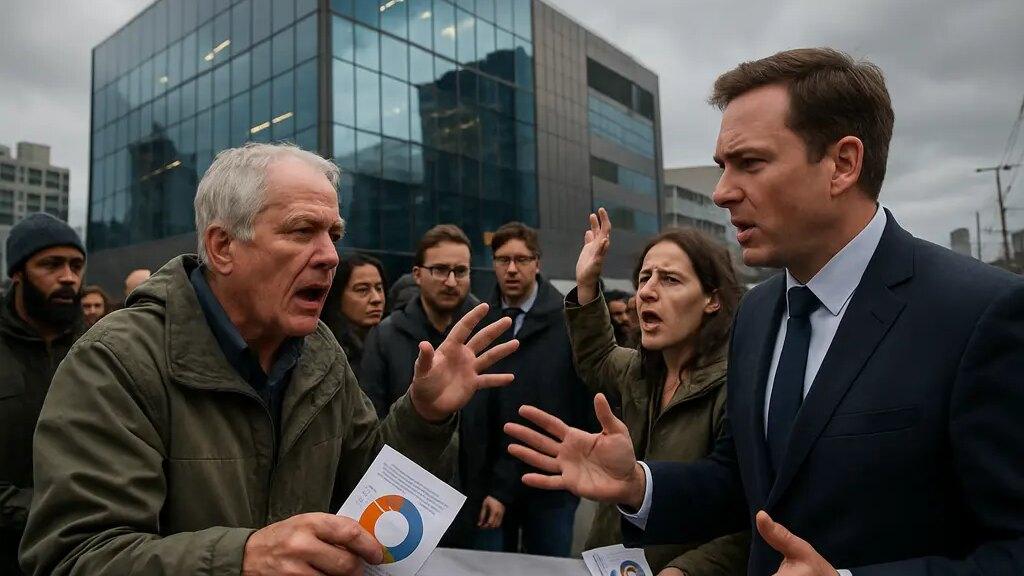
Data Center Growth is no longer a narrow infrastructure issue for cloud providers, utilities, and hyperscale developers. It has become a public engagement issue, especially in communities asked to host large electricity loads, water-intensive cooling systems, transmission upgrades, and backup generation. From an industry events perspective, the shift matters because public meetings are now carrying more technical content: grid capacity, ratepayer exposure, local approvals, environmental permitting, and transparency expectations.
The evidence base is still developing, but the near-term direction is clear. The U.S. Department of Energy reported that U.S. data center electricity use reached about 192 terawatt-hours in 2024, equal to about 4.7% of total U.S. electricity consumption, up from about 176 terawatt-hours, or roughly 4.4%, in 2023, according to the DOE data center energy update. That scale does not prove every proposed facility creates local harm. It does explain why local audiences increasingly ask whether new projects can be served without higher bills, strained water systems, or rushed permitting.
Why Data Center Growth Is Drawing Energy Scrutiny
The National Load Signal
The national electricity figures put public concern into context. A data center is not simply another commercial building. Its load profile can be large, persistent, and difficult to absorb in places where generation, transmission, or distribution capacity is already tight. The Department of Energy projection cited in the research notes indicates that data centers may consume 11.8% of U.S. electricity by 2030, with a scenario range from 9.5% to 15.3%, depending on growth and efficiency gains. The associated technical record is available through the OSTI report record.
Those ranges are significant because they leave room for both operational efficiency and higher demand. They also show why public agencies are treating the issue as a planning question rather than a simple yes-or-no debate. If demand lands near the lower end of the range, local impacts may still be material in high-concentration markets. If demand moves toward the upper end, utility planning, cost allocation, and permitting rules become more politically exposed.
What Data Center Growth Does And Does Not Explain
Data Center Growth helps explain rising concern, but it should not be used as a catch-all explanation for every grid cost or local infrastructure problem. Electricity prices, generation mix, transmission congestion, fuel costs, weather, and utility rate design all affect customer bills. A careful analysis has to separate national load growth from local grid constraints and from who pays for upgrades.
That distinction is central for public meetings. Residents often hear large megawatt figures and reasonably ask whether household customers will subsidize infrastructure built for private facilities. Developers often respond with commitments on efficiency, jobs, tax base, or clean energy procurement. Neither side can resolve the dispute without project-level data: interconnection requirements, water needs, backup generation plans, rate treatment, and the timing of grid reinforcements.
Public Concern Is Moving From Awareness To Policy Pressure
Survey Findings Show A Faster Shift
The research notes show a marked change in public opinion during 2026. A Pew Research survey conducted from July 20 to August 9, 2026, found that 54% of U.S. adults said data centers are mostly bad for the environment, up from 39% in January 2026. The same notes report that 50% said data centers are mostly bad for home energy costs, while 49% said they are mostly bad for local quality of life.
A separate AP-NORC/EPIC poll conducted from July 7 to July 24, 2026, found that 53% of Americans were extremely or very concerned about the environmental impacts of AI, including impacts through data centers, up from 41% in 2025. Among adults ages 18 to 29, concern rose from 38% in 2025 to 60% in 2026. Those figures do not show uniform opposition to every project, but they do show that concerns have moved beyond small activist groups.
Permitting Delays Reflect Local Trust Gaps
The research notes also report that local opposition blocked or delayed about $68 billion in data center projects in the second quarter of 2026. That figure should be read cautiously because project-delay estimates can depend on definitions, timing, and whether a delay becomes a cancellation. Still, it aligns with the broader policy pattern: communities are asking for more information before accepting large power loads.
State-level responses in 2026 reflected that pressure. In July 2026, New York imposed a one-year statewide moratorium on environmental permits for large data centers of 50 megawatts or more while developing a regulatory framework focused on energy demand, water use, and environmental risks. On August 18, 2026, Pennsylvania issued an executive order tightening rules for data center development, including limits on electricity and water use, clean energy requirements, local approval, and transparency standards. On September 21, 2026, California approved seven data center bills covering energy infrastructure cost responsibility, water-use reporting, wildfire mitigation, and ratepayer programs.
Community Engagement Needs Better Technical Framing
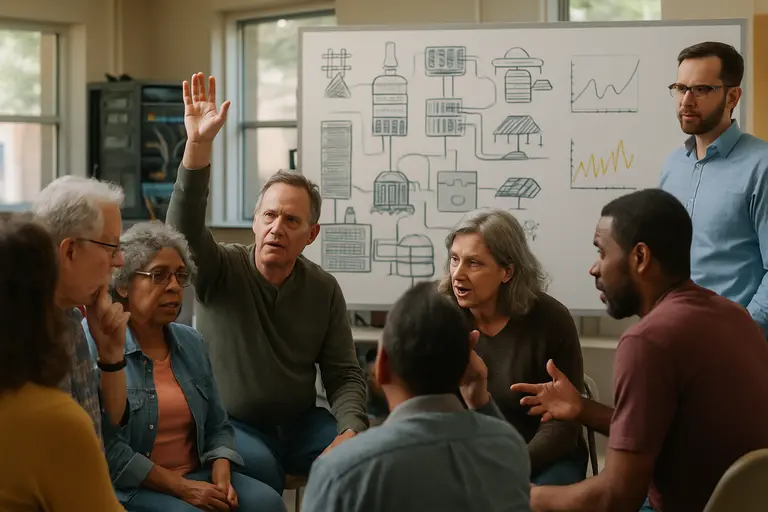
For telecom and infrastructure professionals, Data Center Growth raises a familiar lesson: network-dependent services need public trust as much as technical capacity. A facility may be technically feasible and still face resistance if residents believe the review process is too narrow, too fast, or too dependent on developer assurances.
Community engagement works better when the discussion is structured around verifiable questions rather than promotional claims. Public forums should separate what is known, what is estimated, and what remains subject to utility studies or permit review. For example, a meeting agenda can distinguish between expected peak load, average load, water source, cooling approach, backup generation, grid upgrade responsibility, and emergency-response planning.
- Energy demand: What megawatt load is requested, and how does it compare with available local capacity?
- Cost allocation: Which upgrades are paid by the developer, the utility, ratepayers, or some mix of those groups?
- Water use: What cooling design is proposed, and what reporting will be public?
- Local approval: Which decisions remain with municipal, county, state, or utility authorities?
- Operations: What commitments apply after construction, and who verifies them?
Industry conveners can help by making materials easier to compare across projects. Slide decks, briefing sheets, and public meeting visuals should avoid selective metrics and define technical terms plainly. Related presentation resources from the same publishing network, such as free slideshow templates from freeslideshows.com, can support clearer public sessions when paired with verified local data rather than generic claims.
Local officials also need a repeatable process. For readers working with municipal boards, utility staff, or planning commissions, a related analysis on local data center energy actions outlines how public records, power demand, and stakeholder concerns can be organized before decisions are made.
Data Center Growth And Public Trust
Data Center Growth now sits at the intersection of digital infrastructure, electricity planning, and public accountability. The available data supports concern about rising electricity demand, but it does not support blanket claims that every project has the same local effect. The most useful public process is one that treats each proposed facility as a specific load, in a specific grid area, with specific water, cost, and permitting implications.
For industry events, that means moving beyond keynote claims about innovation or broad statements about sustainability. Panels, hearings, and workshops should ask for comparable numbers, clear timelines, and plain-language explanations of who bears risk. The communities most affected by new infrastructure are asking practical questions. The industry’s credibility will depend on whether it answers them with evidence, not slogans.