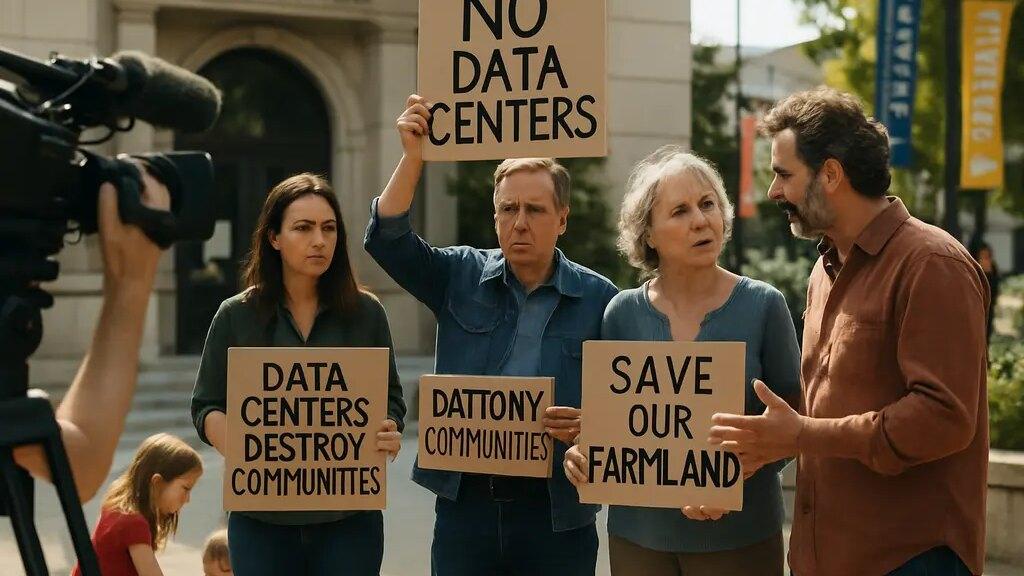
Data Center Moratoriums have become one of the clearest signals that local communities are no longer treating large data center projects as routine zoning matters. As of September 24, 2026, the available record points to a shift from project-by-project objections toward formal pauses, bans, and approval conditions tied to electricity demand, water use, environmental review, and local consent.
That shift matters for planners, utilities, developers, telecom operators, and public officials. … Read the rest
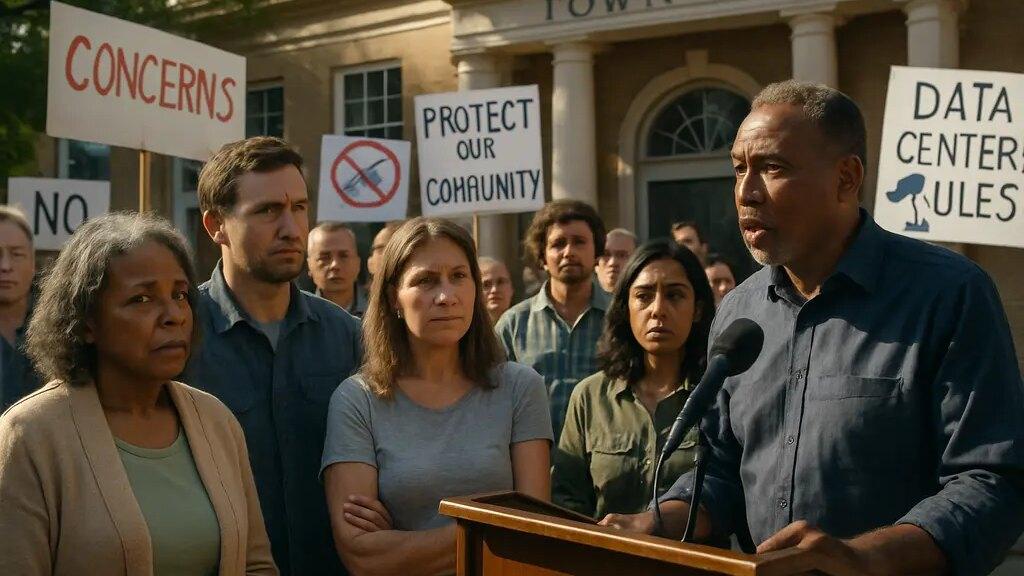
Data Center Rules became a community engagement issue in 2026 because the EPA proposal centered less on emission-limit formulas and more on who gets formal notice before certain air permits are issued. For residents near proposed data center sites, that distinction matters. Public notice, comment periods, and hearings are often the first official point at which neighbors can question diesel backup generation, utility demand, noise, water use, construction impacts, and … Read the rest
The NIST AI Data Center comment window is no longer a future planning item. NIST published the initial public draft of Special Publication 800-239 on July 27, 2026, and the public comment period remains open through September 25, 2026, according to the NIST CSRC announcement. As of September 21, 2026, organizations have four calendar days left to complete review, reconcile internal positions, and submit focused feedback.
AI vulnerabilities in U.S. government systems became a sharper public concern after a June 23, 2026 report that Anthropic’s Mythos model identified weaknesses in highly sensitive government computer systems during a testing exercise. The reported facts are narrow but significant: the model found vulnerabilities within hours, the exercise involved Project Glasswing and U.S. intelligence agencies, and the model did not exploit the systems during that timeframe, according to The Washington … Read the rest
AI Data Security moved from general risk language into concrete developer work on May 22, 2025, when the NSA’s Artificial Intelligence Security Center jointly released a Cybersecurity Information Sheet on securing data used to train and operate AI systems. The release was co-authored with CISA, the FBI, Australia’s ACSC, New Zealand’s NCSC-NZ, and the UK’s NCSC-UK, according to the NSA announcement.
For AI developers, the practical value is that … Read the rest
AI distillation risks are now appearing in workshop agendas beside agentic AI, model integrity, AI infrastructure security, and standards work. As of September 17, 2026, only some of the events identified in the research remain ahead on the calendar, so teams should separate genuine late-2026 opportunities from sessions that have already concluded.
The topic also needs careful wording. The available event descriptions do not show that the listed workshops are … Read the rest
Network tomography telecom moved from laboratory promise to live service-provider testing in France this month. Nokia and Orange France say a September 10 trial on Orange’s optical transport network produced near-real-time, link-by-link visibility using data already generated by coherent optical transmissions, pointing toward a different way to find physical-layer problems before customers feel them.
The significance is operational. Telecom networks are already moving toward automated assurance, predictive maintenance, and AI-assisted … Read the rest
The FERC Physical Security Standard changed on September 10, 2026, when the Federal Energy Regulatory Commission approved Reliability Standard CIP-014-4, replacing CIP-014-3 for physical security of certain Bulk Electric System facilities. FERC’s September 2026 meeting summary identified the approval under Order RD26-9-000 FERC meeting summary. The practical effect is not immediate operational enforcement, because CIP-014-4 has an effective date of October 1, 2028, but the lead time matters for … Read the rest
EPA Data Center Rules changed in several procedural areas during 2026, with the most visible shift affecting how air permits for smaller pollution sources may be noticed, reviewed, and challenged. The changes did not rewrite federal emission limits in the research record provided here. They did, however, alter the process around permitting, construction sequencing, and certain power configurations that can matter for communities hosting large compute campuses.
Data Center Regulation is becoming a practical planning issue for event teams that support public agencies, operators, utilities, workers, and community groups. The regulatory discussion is no longer limited to technical energy efficiency targets. It now includes reporting duties, permitting conditions, community input, public health concerns, grid cost allocation, and documented consultation.
For an industry event specialist, that shift changes the purpose of a workshop. A useful session cannot be … Read the rest