
Imagine walking through a huge hall at a major industry event. The air buzzes with excitement and a bit of urgency.
Everywhere, you see booths that all look the same. They all try to shout their message into a crowded space. It feels like a remake of a classic movie, but without the heart.
Your booth is more than just a place to sit. It’s a key to reach out to people. The old idea of “build it and they will come” doesn’t work here.
Being at these events is key for growing your business. It’s not just about being there. It’s about making a real connection.
Your aim is to stand out, not blend in. Let’s explore how to make your message clear and strong.
Benefits to Sponsors and Exhibitors
Every booth and swag bag has a secret: a smart way to make money. Telecom event sponsorship is not just giving back. It’s a smart move to reach your target audience. It’s like renting top space in your industry for three days.
So, what’s the plan? Let’s look at why sponsors do it, from the obvious to the subtle.
The main reason, as shown by Tradeshow Logic, is clear: sales lead generation. You get to meet hundreds of people who want to buy. It’s like a filter that shows you who’s really interested. Your job is to show them what’s new.
The next level is brand awareness. Think of it like a catchy song that sticks in people’s heads. Being seen at big events makes your brand the first one people think of. When they need something, yours is the name that comes up.
Then, there’s credibility and authority. Being at big events shows you’re a big player. It means you’re not just watching; you’re shaping the market. You’re not just selling; you’re leading the conversation.
The modern ROI also includes Corporate Social Responsibility (CSR) and recruitment. Helping the industry looks good and attracts talent. A cool booth is not just for clients; it’s a way to find the best people.
Let’s make this easy to understand with a list:
- The Direct Lead: Good sales talks and new contacts.
- The Mindshare Hook: Getting people to think of you first.
- The Authority Boost: Being seen as a leader by being there.
- The CSR & Talent Play: Looking good and finding great people at the same time.
Each part of this telecom event sponsorship plan helps the others. A good lead today can help you tomorrow. It’s a cycle that keeps getting better.
The real question is not “Can we afford to sponsor?” It’s “Can we afford to miss out?” When others are in the spotlight, your silence is loud. Are you writing the industry’s story, or waiting for someone else?
Case Studies: Success with Sponsorship
What makes a sponsorship successful? It’s not just about a logo. It’s about working together well. Let’s look at three real examples that show how to do it right.
These partnerships work like a well-rehearsed play. Everyone knows their role, and the audience enjoys the show.
This analysis goes beyond just conference exhibiting. It’s about building real relationships. The key is finding a sponsor who offers something valuable.
Matt Tuffuor of Toasted Life didn’t just send out random emails. He used LinkedIn and data to find the perfect brands. He knew exactly who to target.
He made a special offer that included podcast segments, social media boosts, and exclusive access. It was a win-win for everyone.
The main lesson is simple: know your audience’s audience. Your sponsor wants a specific group, not just anyone. Tuffuor’s approach made his pitch appealing to both sides.
The Signal Boost: South Florida Tech Hub & Crown Castle
South Florida Tech Hub’s golf tournament was a smart move. They chose Crown Castle, a big name in telecom. It might seem random, but it wasn’t.
The tournament drew tech founders, investors, and engineers. Crown Castle’s sponsorship was a big win for the right audience. It showed they were part of the community.
Many make the mistake of choosing the biggest sponsor, not the best fit. A wrong sponsor is like a tuxedo at the beach—it just doesn’t fit.
The Hyper-Local Ecosystem: The Glass Jug Beer Lab
The Glass Jug Beer Lab in Durham focused on local partnerships. They worked with fitness studios and real estate agencies. It was all about the local community.
These partnerships created a strong local economy. People would go to the taproom after working out or looking for a home. It was all about community.
This shows that conference exhibiting and sponsorship are about being relevant. Your partner should be close to your audience’s daily life.
The Analytical Takeaway
Success in sponsorship isn’t random. It’s based on data, matching your audience, and shared value. The biggest mistake is chasing big money without matching your theme or crowd.
Big checks can be tempting, but they can also hurt your credibility. Don’t be that guy.
Think of sponsorship as curating a gallery, not just renting space. Each partner should add something special. When done right, it creates a lasting partnership.
Booth Design and Demo Ideas
In a busy networking hall, a static booth is as forgettable as a dial-up modem. Your booth should draw people in, not push them away. This is where marketing tips at expos make a big difference.
Forget the old tablecloth-and-brochure look. Today, it’s all about interactive booths. They’re like a three-dimensional conversation starter. It’s your chance to be the wise guide in the chaos, not just another salesperson.
The goal is to engage, not just look. Customizable activation opportunities are key. A logo on a banner is just wallpaper. But a sponsored networking break or an exclusive workshop? That’s real connection.
Here are some demo ideas that feel more like a glimpse into the future:
- Live, Mini-Workshops: Host 15-minute sessions that solve real attendee problems. “Taming Cloud Sprawl in 90 Seconds” is better than a generic pitch.
- The Hands-On Demo Station: Skip the pre-recorded loop. Let visitors use a simplified version of your product. Make it fun with a tangible prize.
- The Tech-Enabled Engagement: Use RFID bands for easy lead capture and tracking. It’s modern and measurable.
Think about this shift in approach:
| Old-School Booth | Experiential Booth |
|---|---|
| Passive product displays | Interactive problem-solving zones |
| Generic swag (pens, stress balls) | Value-driven giveaways (expert session vouchers) |
| Staff waiting to be approached | Staff trained as facilitators and storytellers |
| Goal: Collect business cards | Goal: Create memorable brand moments |
A poorly designed booth is like a bad infomercial: loud and forgettable. Your booth should ask questions, offer solutions, or tell a story.
The best marketing tips at expos focus on providing value right away. Be the booth people want to show their colleagues. When you offer real value, the leads come naturally.
Your demo is a duet with your audience. Design your space and experience to engage them fully.
Choosing the Right Event
Think of your sponsorship budget as a sniper rifle, not a shotgun. Precision is key, not a scattergun approach. The telecom world is full of conferences, trade shows, and meetups. Your goal is to be unforgettable at the right one.
To find that golden ticket, you need to be a detective. Start by looking at your own data. Check your Google Analytics and ticketing info. See where your current customers are hanging out online and which hashtags they follow. This data is like a map to the events they care about.
Then, think long-term. Study successful past events. Look at who sponsored them and what the vibe was like. A festival connectivity partner might not be the best fit for a B2B vendor. It’s all about alignment.

Be brutally honest with yourself. Does the event’s audience match your ideal customer? Or are you just wasting money on business cards? Use social listening tools and LinkedIn groups to find where you’re a sought-after solution.
Your sponsor strategies for telecom events should involve reverse-engineering. Check the event’s theme. Is it something your product fits perfectly with? Or are you trying to sell something that doesn’t belong?
Here’s a simple checklist to evaluate any event:
- Audience Quality: Do they publish attendee job titles, company sizes, or buying power?
- Sponsor Alumni: Who sponsored last year? Are they your competitors or your clients?
- Content Alignment: Does the agenda touch on the problems your product solves?
- Networking Opportunity: Is there time for networking or just lectures?
This process turns event selection into a strategic investment. It moves you from just being there to being a powerful presence. You’re not just filling a booth; you’re claiming the most relevant spot.
In telecom, the right connection is everything. The same is true for your sponsor strategies. Choose an event that connects you with the decision-makers who need what you offer. That’s how you turn a sponsorship into a money-maker.
Measuring ROI
In the world of telecom event sponsorship, having a crowded booth isn’t enough. It’s not just about 500 people scanning their badges. If you can’t measure the impact, you can’t manage the narrative or justify the budget.
It’s time to move from being a party host to a strategic partner. Providing deep post-event analytics is key. It shows the impact of your experience.
So, what data really matters? We need to go beyond counting feet to tracking influence.
Forget about foot traffic. The smart sponsor focuses on qualified lead generation, brand lift, and media value equivalency. It’s about being profitable, not just popular.
| Vanity Metrics | Value Metrics |
|---|---|
| Total Booth Visits | Marketing-Qualified Leads (MQLs) |
| Badge Scans | Lead-to-Opportunity Conversion Rate |
| Brochures Taken | Brand Attribute Shift (Survey Data) |
| Social Media “Likes” | Earned Media Value & Share of Voice |
What do sponsors really want to know? They want the story behind the scan. Key data points include:
- Attendee & Non-Attendee Demographics: Who was really in the room? And who registered but didn’t show? This shapes future targeting.
- Ticket Sales & Registration Funnel Data: Understanding attendee acquisition tells you about the event’s pull and your audience’s intent.
- Historical Results for Previous Sponsors: Show me the receipts. Case studies and past success metrics build immense trust.
- Social Media Mentions & Sentiment Analysis: Raw mentions are noise. Sentiment and share of voice within the event hashtag are signal.
By combining these elements, you create a strategic narrative. You’re not just handing over a report; you’re providing a roadmap. This proves your partnership delivered tangible value. That’s how you turn this year’s sponsorship into next year’s must-have investment.
Mistakes to Avoid
Before you enjoy a successful sponsorship, learn from common mistakes in conference exhibiting. These errors come from desperation and poor planning. Let’s look at them so your brand doesn’t fail.
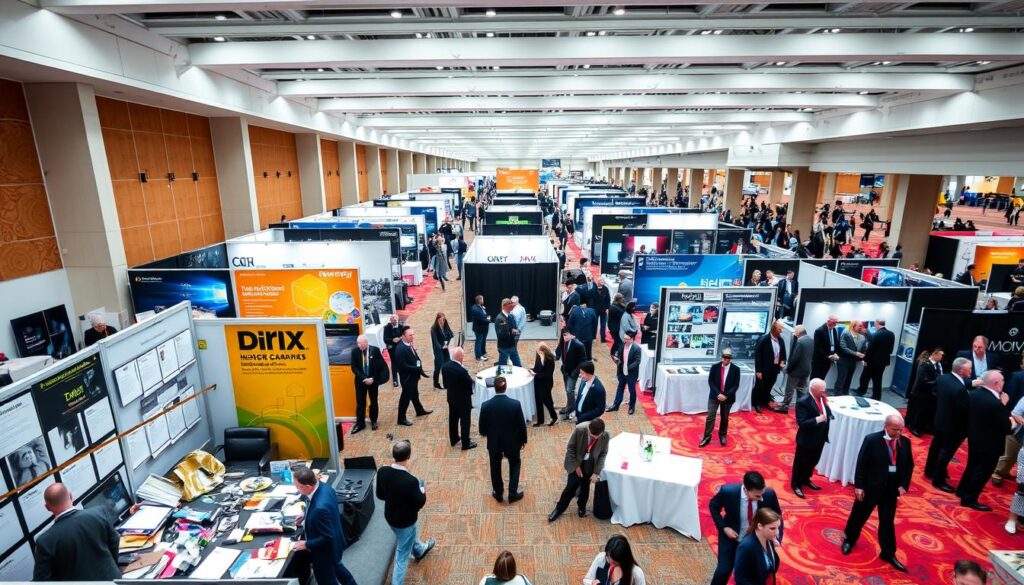
- The “Logo Soup” Booth
- The Digital Ghost Town
- The Faustian Bargain Partnership
The “Logo Soup” Booth. This mistake is all about too much clutter. You cover everything with logos. It’s like trying to shout in a crowded room.
To fix it, keep it simple. Use one main message. If you must show partner logos, do it in a clean “Our Partners” section. Your booth should tell a story, not show off too many logos.
The Digital Ghost Town. This error starts before the event. A sponsor checks your company online. If they find little to nothing, it’s a red flag.
Before reaching out to sponsors, clean up your online presence. Desperation can scare off serious partners. They want to invest in something with influence and credibility.
The Faustian Bargain Partnership. This is a big mistake. It’s choosing money over your mission. A source warns against it: “Don’t let a sponsor derail your vision just because they have the money.”
When your partnership looks off, it’s a sign of desperation. It can hurt your brand’s trust and message. It’s a short-term gain that can harm you in the long run.
A better approach is to find partners who align with you. Check if their audience is similar to yours. Do you share the same values? Being true to yourself is key in marketing.
By avoiding these mistakes, you can improve your conference exhibiting strategy. Move from spending to investing wisely. Plan carefully and partner with purpose. Your presence should be memorable, not just a footnote.
Checklist: Before, During, and After
Execution is key to success, and this checklist is your guide for dominating telecom expos. Forget luck. We’re building a system. Here are the marketing tips at expos that turn theory into deals and partnerships.
This is where you win or lose. Miss a step, and you’re just another booth with bad coffee.
- Research & Targeting: Know the event inside out. Identify key attendees and competitors. Your research is essential.
- The Irresistible Pitch Deck: Offer tiered sponsorship packages with clever names. “Innovator,” “Connector,” “Trailblazer” are great options.
- Outreach Sorcery: Your cold email should be friendly, not pushy. Use their name and reference their work. A good subject line is key.
- Staff Bootcamp: Train your team to deliver a clear value prop. They should ask qualifying questions, not just hand out brochures.
Choosing your outreach method is a strategic decision. Here’s a quick comparison to help you decide.
| Channel | Best For | Hook Example | Pitfall to Avoid |
|---|---|---|---|
| Detailed pitches, formal proposals, sending decks. | “Aligning our edge-compute solution with your 2025 roadmap.” | Getting flagged as spam. Personalize or perish. | |
| Warm introductions, engaging with content, less formal vibe. | Commenting on their post, then a concise InMail: “Loved your take on network slicing. We’re demoing something related at Booth #404.” | Using the generic connection request. Add context, always. | |
| Phone | Following up on sent materials, high-value targets. | “Hi [Name], it’s [You] from [Company]. I just emailed our event proposal—wanted to ensure it landed and see if you had 90 seconds for a quick chat.” | Calling without a clear, respectful reason. You’re not a telemarketer. |
Phase 2: The Live Performance (Game Day)
The doors are open. The lights are on. This is where your preparation meets the moment.
- Ditch the Hard Sell at the Booth: Engage with a question, not a product sheet. “What’s the biggest pain point in your current deployment?” is a better opener than “Want a brochure?”
- Capture Leads Beyond the Badge Scan: Have a tablet for a quick survey or to sign up for a demo slot. The data is gold.
- Be Agile: Heard a common objection? Huddle with your team at lunch and refine the messaging. Real-time adjustment is a superpower.
- Digital Promotion in Real-Time: Live-tweet sessions, post booth photos on LinkedIn, tag new connections. Amplify your presence beyond the floor.
These are the real marketing tips at expos that most booths ignore. They’re too busy handing out stress balls.
Phase 3: The Encore That Builds Legacy (The Follow-Up)
The event is over. This is the critical, often-bungled phase where one-off contacts become partners. A bad follow-up is like ghosting after a great date—you ruin all the goodwill.
- The 48-Hour Rule: Send your first follow-up within two days. Reference your conversation. “Great chatting about latency issues yesterday. As promised, here’s that case study.”
- Segment Your Leads: Hot lead? Send a calendar invite for a call. Warm contact? Add them to a targeted newsletter. Use your CRM—it’s not a digital graveyard.
- Provide Immediate Value: Don’t just say “nice to meet you.” Send a relevant article, a white paper, or an introduction to someone in your network.
- Nurture the Relationship: The goal isn’t a single sale. It’s a relationship. Schedule a check-in call for 3 months out. Share industry news occasionally. Become a resource, not a vendor.
This post-event discipline is the ultimate marketing tip at expos. It’s where you convert noise into a symphony of sustained business.
Conclusion
The trade show floor isn’t a carnival. Your goal isn’t just to be the loudest ride. The most resonant presence comes from a deeper frequency.
Effective sponsor strategies for telecom events turn a simple expense into a proactive investment. It’s about creating mutual value, not just collecting badges. This approach builds lasting partnerships, as Gartner sources highlight, moving beyond one-time transactions.
Think of it as the industry’s connective tissue. Winning isn’t about the flashiest gadget. It’s about deploying intelligent sponsor strategies telecom events that make your brand indispensable.
So, as you pack up your booth and review the leads, ask yourself this final question. Is your brand just another node on the network, or are you the protocol everyone wants to adopt? The right sponsor strategies for your next telecom events will define the answer.