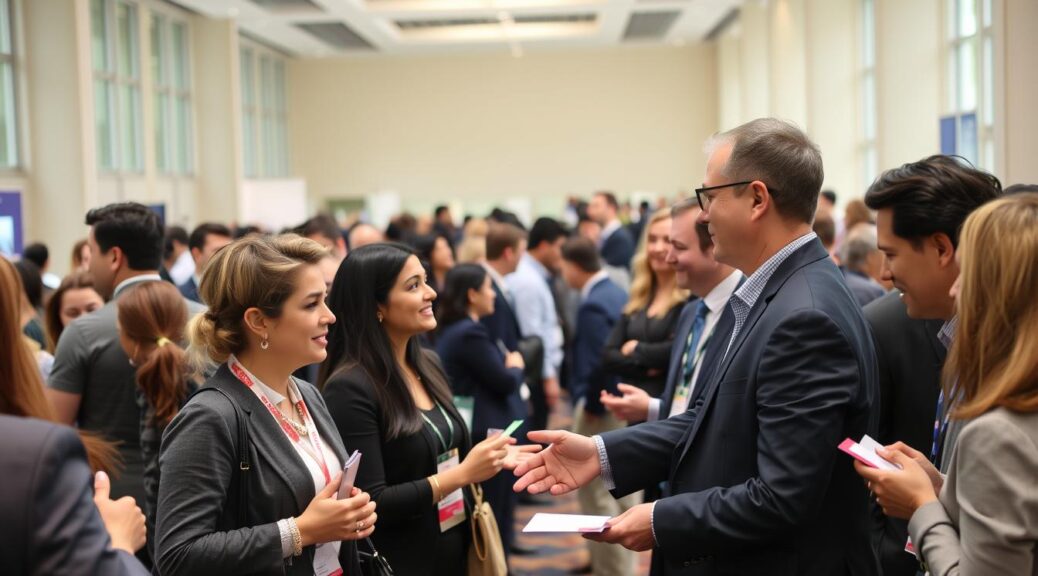
In our digital-first world, why bother with physical gatherings? It’s like asking why bookstores exist when Amazon delivers everything to your doorstep.
The magic happens in unplanned moments. Think coffee line conversations, hotel bar encounters, and the energy of being around people who get what you do.
Local events turn abstract LinkedIn connections into real relationships. I’ve seen careers change over bad conference lunches.
That’s the real value of regional conferences. They’re the places where real connections happen, away from Zoom.
Key Conferences to Attend
Choosing the right industry events is like navigating a dating app. You swipe left on flashy profiles and right on meaningful ones. The best events are where real practitioners share their experiences.
Day 1 of our event is packed with great speakers. Dr. Terence Liu talks about OT Zero Trust approaches that work. Jeff Quah shares industrial automation strategies without the fluff. These talks are filled with practical insights from those who’ve been there.

The real magic happens between talks. You might see Andrew Lee from Balluff Asia debating with STMicroelectronics’ Balamurali Kumar. These spontaneous moments often offer more value than the scheduled talks.
Day 2 is just as impressive. Casatrina from Singapore’s Economic Development Board shares insights on regional development. Renee Tan talks about sustainable AI implementation. Mark Tan discusses engineering solutions that scale.
“The best conferences feel less like corporate theater and more like intellectual jam sessions where breakthroughs happen spontaneously.”
What makes a conference stand out? It’s the ratio of doers to talkers. Seeing names like Matthias from Advantech or Jing Yik from AbbVie means you’re getting practical insights.
These events are like that hidden restaurant with a life-changing menu. You leave with new contacts, actionable strategies, and perspectives that change your work.
Strategies for Effective Networking
Most networking tries fail because they’re all about getting something, not giving. The key to changing this is authentic curiosity.
Research isn’t just about looking up people on LinkedIn. It’s about knowing what keeps them up at night. I treat regional research like a major exam because it’s that important.

Customizing your messages is more than just saying “Hello.” Messages for Silicon Valley are different from those for Wall Street. The best networkers are like cultural experts in business clothes.
The Research Blueprint
Before any conference, I make a “connection map.” It’s not just about finding people. It’s about understanding their world:
- Local industry trends and pain points
- Key influencers and decision-makers
- Cultural norms and communication preferences
- Unspoken rules of engagement
Twitter, LinkedIn, and blogs are my go-to tools. But I dive deep to understand the reasons behind regional happenings.
The Art of the Approach
Generic messages get ignored. Personalized messages get noticed. I follow the “value-first” principle:
“The professional version of not asking for a second date before the appetizers arrive.”
This means giving value first. It could be a relevant article, a thoughtful comment, or a helpful connection.
| Networking Approach | What Works | What Fails |
|---|---|---|
| Research Depth | Understanding regional challenges | Surface-level LinkedIn scanning |
| Communication Style | Cultural context awareness | One-size-fits-all messaging |
| Value Proposition | Genuine interest and insights | Immediate ask for favors |
| Relationship Building | Long-term perspective | Transactional mindset |
Your current network is priceless. That college roommate’s cousin could be your key. Alumni networks, professional groups, and even yoga friends are all valuable connections.
The secret? Stop trying to network and be interesting. Give value without expecting anything in return. Be someone who adds, not just takes.
These networking tips turn awkward chats into real connections. People remember how you made them feel, not just what you asked for.
Case Studies from Successful Attendees
Meet the conference ninjas, the pros who see industry events as strategic chess games, not just for collecting business cards. They focus on quality over quantity in networking.
Sarah is a master at manufacturing conferences. While others were pitching, she listened. At a summit, she heard about a big supply chain problem.
She waited to offer a precise solution. This moment changed her career, impressing many.
Michael is known for his “strategic authenticity.” Before a tech conference, he studied the market. His questions hit real pain points, making him the event’s star.
“The world is now truly global. You are only 6 to 10 connections away from who you need. Your existing relationships count.”
These aren’t just stories. They’re real strategies for networking. It’s about being genuinely interested, not just trying to impress.
When I moved from Nigeria to the UK, I applied this strategy. I focused on connecting with specific leaders. Soon, I found local job opportunities.
The best networkers share common traits. Anyone can learn from them:
| Trait | What It Looks Like | Result |
|---|---|---|
| Strategic Listening | Asking probing questions about specific challenges | Becoming the person people remember for solutions |
| Authentic Engagement | Researching regional issues before events | Creating immediate relevance and trust |
| Memorable Presence | Being the vibrant or uniquely dressed person | Standing out without saying a word |
| Value-First Follow-up | Sending specific insights instead of generic emails | Building lasting relationships |
The best networkers ask good questions and listen deeply. They focus on making real connections, not just selling themselves.
For more success stories, check out these real-world case studies. They show how strategic networking can change careers and build meaningful relationships.
The pattern is clear. The ones who stand out at events are the most attentive, engaged, and valuable. This is a strategy anyone can use.
Follow-up Tips for Building Long-term Relationships
Most connections made at conferences fade quickly, like a trending topic on Twitter. The real magic happens after the event. Your best networking tips start with understanding that follow-up is about being precise, not persistent.
Professionals can turn casual contacts into career-changing relationships with value-forward follow-up. If they mentioned an obscure project, send them relevant research a few months later. If they got promoted, offer specific praise instead of generic messages on LinkedIn.
The timing of your follow-up is more important than how often you do it. Sending a well-timed article six months after the conference can build more trust than weekly emails that seem desperate. These tips work because they’re based on genuine interest, not immediate needs.
To keep relationships strong, celebrate their successes and share relevant content now and then. Set up virtual coffee chats when you have something valuable to offer. The best networkers make it seem easy because they focus on meaningful interactions without being intrusive.
Building long-term relationships isn’t about desperate moments of need. It’s about creating consistent, valuable interactions that show you care about their success beyond just getting something from them.