
Finding a speaker for your telecom event is tough. It’s like trying to get a clear signal in a subway tunnel. It’s possible, but it’s full of static and sudden drop-offs.
Everyone claims to offer 5G-level insights. But many deliver only dial-up monotony. Speaker bureaus promise big names and big promises. But your audience wants a real communicator, not a celebrity.
We’re in a new era. It’s not just about filling a slot anymore. It’s about creating a memorable dialogue. The challenge is finding a thinker who can educate, connect, and—most importantly—resonate.
This is a search for the wise one in the server room, the poet of the protocol. It needs a strategic plan, not just booking. We’re aiming for something lasting, not just another forgettable webinar.
This analysis is your first step. We’re moving beyond static to find the minds that can truly move your audience. It begins with understanding what makes a telecommunications industry keynote speaker effective today.
Identifying Industry Thought Leaders
The most insightful industry experts often hide in plain sight. You won’t find them on Wikipedia. Instead, they share their wisdom in forums and academic papers. They predict where 5G will face challenges next.
I use investigative journalism to find these experts. It’s like following a money trail, but with influence as the currency. I look for people whose analysis makes competitors nervous and colleagues eager to listen.
Here’s how to find real thought leaders beyond the obvious names.
Look Beyond the Billboards
Start by checking industry associations and their publications. Groups like the American Marketing Association or IEEE Communications Society are great resources. Look for recurring bylines in technical deep dives that get shared internally.
Academic institutions are also rich sources. University research labs and business schools have professors whose work impacts policy and investment. They speak clearly, without corporate filters.
Master the Digital Hunt
Social media is a tool, not a destination. On LinkedIn, join groups focused on “Network Slicing” or “Open RAN Deployment.” Look for experts in comments, not just in posts.
Twitter requires precision. Follow hashtags like #TelcoTech or #FutureOfConnectivity. Find accounts that get retweeted by engineers, not just marketing bots.
This digital footprint map helps you find influencers versus experts. One builds a personal brand. The other builds the industry’s knowledge base.
Mine the Conference Circuit
Past events are a guide to future speakers. Review archives from TEDx, MWC, or smaller meetings. Look for the person who sparked conversations in “Track 3, Room B.”
Watch Q&A sessions. Identify who answered tough technical questions well. That’s your subject matter authority.
A Practical Sourcing Checklist
- Association Deep Dive: Mine member directories and publication archives from professional bodies.
- Academic Outreach: Contact research departments at universities known for telecom engineering.
- Social Listening: Set up alerts for niche hashtags and monitor specialized group discussions.
- Event Archaeology: Analyze past conference programs, speaker feedback, and session attendance data.
- Citation Tracking: Follow whose research gets referenced in industry white papers and regulatory filings.
The telecom landscape changes fast. Yesterday’s visionary is today’s footnote. True industry experts aren’t always the loudest. They’re the ones who wrote the room’s technical specifications.
Finding them requires a detective’s approach. The reward? A speaker who changes the conversation.
Approaching C-Level Telecom Executives
Let’s be honest. Cold-emailing a telecom CTO for a speaking slot is tough. It’s like trying to get a reply from a famous person. You need to stand out as more than just a fan.
Getting keynote speakers from the C-suite is not just a deal. It’s building a relationship. You’re asking them to share their knowledge with your audience. Your email should be the start of an exciting story for them.
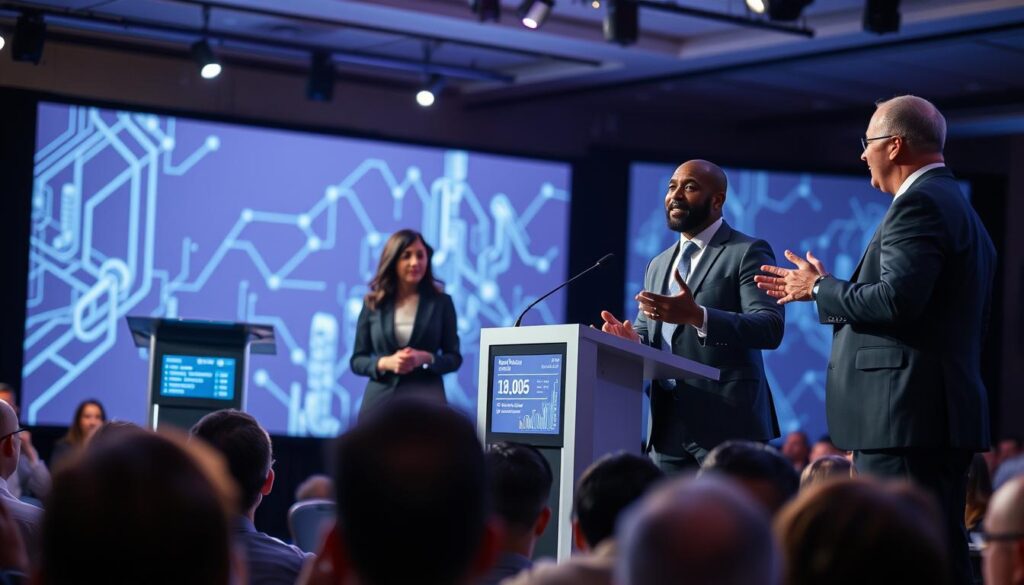
Don’t use a generic email template. Show respect by mentioning their recent talks or blog posts. This shows you value their expertise.
Your email should be clear and show the value they’ll get. Ambiguity is a big no-no for busy executives.
| Pitch Element | The Wrong Way | The Right Way (The Strategic Alliance) |
|---|---|---|
| Event Context | “We’re having a telecom event.” | “Our theme is ‘The Decentralized Network,’ directly challenging the centralization model your last keynote critiqued. The audience is 300 of your true peers: fellow VPs of Infrastructure and CTOs.” |
| Speaker Benefit | “Great exposure!” | “This is a platform to road-test your new interoperability thesis with the very architects who can implement it. The post-event roundtable includes investors from Balderton and Accel.” |
| Budget Transparency | “We’ll discuss fees later.” | “Our honorarium is $X, recognizing your preparation time. We believe the equity in exposure—shaping the conversation with this curated audience—provides significant complementary value.” |
The “Right Way” column speaks their language. It’s about strategy, peers, and sharing knowledge. It treats them as partners, not just speakers.
Direct communication is key. A quick call after your email is professional. It shows you’re serious and helps you find the right fit.
For these keynote speakers, time is everything. A vague email gets deleted. But a clear, respectful, and open proposal gets a response. It shows you’re a good investment of their time. You’re not just filling a slot; you’re co-creating a story for the industry.
Speaker Compensation Strategies
In the world of speaker management, money talks. Everyone wants to know the value they’re getting. The key to success is understanding that value comes in many forms.
Start by doing your research. Look at what other speakers charge. A CTO from a big company gets paid differently than a researcher with a new idea. This is just good research, not snooping.
With your research in hand, be ready to negotiate. Think about these options:
- Split payments: Pay half now, half later. This builds trust.
- Future engagement clauses: Pay less now for a spot in your next big event.
- Tiered honorariums: A base fee plus extra for hitting targets or getting leads.
Now, it’s time to get creative. The best deals often don’t show up on an invoice.
Think of it like currency exchange, but with influence and credibility. For new experts, a chance to speak at your event might be worth more than money. What non-monetary perks can you offer?
| Monetary Compensation | Non-Monetary Value | Ideal For |
|---|---|---|
| Standard Honorarium | Direct payment for time and expertise | Established speakers with set rates |
| Performance Bonus | Extra payment for measurable impact | Speakers driving registrations or engagement |
| Co-branding Opportunities | Joint content, logo placement, shared credibility | Experts building their personal brand |
| Media Exposure | Interview features, podcast appearances, press coverage | Authors promoting new books or research |
| Exclusive Networking | Access to your attendee list, VIP dinners, private meetings | Consultants and business developers |
I once saw a telecom expert choose a lower fee for a video on LinkedIn over more money. She wanted to reach 50,000 people, not just 500. That’s the power of prestige.
Being open about what you can offer is key. Can you give them a high-quality video of their talk? Or access to your best attendees? A chat with a journalist?
This way, you turn a simple transaction into a partnership. Good speaker management is about making both sides happy. When everyone feels they got a good deal, you’ve won at compensation strategy.
You’re not just paying for a speech. You’re investing in their reputation and vice versa. Get this right, and your speaker management becomes a strategic asset, not just a task.
Creating Compelling Speaker Packages
What makes a keynote unforgettable? It’s not just the data. It’s how it’s delivered. Most event organizers just give a speaker a list and forget about it. That’s a sure way to put everyone to sleep.
A good speaker package is like a story map. It’s about taking your audience on a journey, not just reading off a list. I tell speakers to aim for a mix of a “TED Talk meets insider briefing.” It’s about creating an experience, not just a presentation.
The first 90 seconds are key. They decide if people will listen or check their phones. Don’t start with “Today I’ll talk about 5G challenges.” Start with a question or a story. For example, “Remember when your video call froze? That wasn’t your Wi-Fi. It was a global debate in a subsea cable.”
This approach connects a technical issue to something everyone can relate to. It shows the power of a good hook. Engaging telecom speakers know this trick. They turn complex topics into stories that grab people’s attention.
Your package should have the main points that need to be covered. This is the skeleton. Then, let the speaker add their own flair. Encourage them to share personal experiences and creative solutions.
Great speakers are organized and keep their audience interested. They use simple stories to make their points clear. Your package should help them be creative, not hold them back.
To show the difference, let’s look at the old way versus the new approach:
| Element | Standard Briefing | Compelling Speaker Package |
|---|---|---|
| Core Philosophy | Information transfer | Experience creation |
| Opening | Agenda slide & speaker bio | Provocative hook (story, question, paradox) |
| Structure | List of topics (What we’ll cover) | Narrative arc (Challenge, Journey, Resolution) |
| Speaker Mindset | Subject matter expert reporting | Storyteller and guide for engaging telecom speakers |
| Audience Takeaway | New information | New perspective & emotional connection |
See the difference? One is just dumping data. The other is a conversation designed to engage. When you give speakers a clear plan, you attract better talent. They become more than just speakers. They guide their audience on a shared journey.
This approach turns an event into a memorable story. It makes speakers into legends and attendees into fans. That’s the real value of a well-crafted package.
Managing Speaker Requirements
Think of speaker management as being a high-end concierge for intellectual capital. It’s where dreams meet reality. You’ve got the big name. Congratulations. Now, the real work starts.
This isn’t just about doing tasks. It’s about turning a yes into a standing ovation. You’re the handler, tech support, and psychologist all in one.
The pre-event phase is your first test. Meticulous travel and accommodation handling isn’t courtesy; it’s a strategic investment in speaker focus. A tired expert won’t give their best. Get the details right, from car service to snacks.
Don’t send a generic invite. That’s like giving a chef one ingredient and expecting a gourmet meal. You need to provide a detailed dossier.
This dossier answers all the speaker’s questions before they even ask.
What goes in this dossier? It’s like a mission briefing for the speaker.
- The Audience: Who is in the room? Titles, industry sectors, level of expertise. Is this a room of skeptical engineers or visionary CTOs?
- The Mood & Context: What’s the event’s theme? What did the last speaker cover? What are the hot issues?
- The Technical Specs: Stage dimensions, AV setup, microphone type, clicker availability, internet reliability. Leave nothing to chance.
- The Run of Show: A minute-by-minute schedule for their segment, including Q&A time and moderator details.
Providing detailed context makes the presentation better. A speaker with this info can tailor their talk. This is where a smaller, more attentive speaker bureau excels.
The event is showtime, but your role changes. Be present and ready for anything. Make the speaker feel special, so they can focus on their delivery.
After the event, don’t just send a thank-you email. This is a chance to build a relationship and gather feedback.
The thank-you note is important. But the real value is in the specific, actionable feedback. “Your point about 5G network slicing made the head of engineering scribble furious notes” is much more valuable.
This feedback shows the speaker is heard and appreciated. It also gives you data on what worked.
This ongoing dialogue is not just polite. It’s about maintaining a valuable asset. You understand the speaker’s style and strengths. You’re not just checking a box. You’re building a resource for future events.
Technology Needs for Presentations
A brilliant insight delivered through a glitchy stream is like a Shakespearean sonnet read by a malfunctioning robot—the content is there, but the humanity is lost. In our industry, which sells seamless connectivity, a presenter struggling with their mute button isn’t just awkward; it’s a brand antithesis. The virtual podium demands a new kind of stagecraft.
Treating your event’s technology as a mere delivery mechanism is like using a quantum computer as a paperweight. It’s a catastrophic underutilization. The platform—its chat, its polls, its breakout rooms—is the theater. Your speaker’s fluency with these tools is now as critical as their vocal cords.

I’ve watched visionary CTOs turn into flustered novices when the “raise hand” icon pops up. I’ve seen a captivating narrative derailed by a five-minute struggle to share a single slide. The audience’s patience for this evaporates faster than a dropped call in a tunnel.
The solution isn’t just providing a link and a prayer. It’s a mandatory, non-negotiable tech rehearsal. This isn’t pedantry; it’s the dress rehearsal for intellectual exchange. Here’s what that rehearsal must prove:
- Screen Sharing Fluency: Can they transition between slides, a video window, and a live demo without the “uh, can you see my screen?” mantra?
- Chat Integration: Can they read and weave audience comments into their talk without losing their thread? A moderator can help, but the speaker must acknowledge the digital room.
- Interactive Tool Mastery: Can they launch a poll, interpret live results, and facilitate a Q&A session without visibly panicking?
This table isn’t a checklist; it’s a diagnosis of where virtual presentations live or die:
| Virtual Tool | Attendee Expectation | Common Speaker Hurdle | Rehearsal Fix |
|---|---|---|---|
| Live Polling | Instant, seamless participation that shapes the talk. | Fumbling to launch; ignoring results after collecting them. | Practice launching and then commenting on the results in real time. |
| Audience Chat/Q&A | Being heard and having questions addressed. | Being overwhelmed by the stream or treating it as an afterthought. | Designate a moderator and agree on signals for highlighting key questions. |
| Screen Share & Video | Professional, smooth visual flow. | Revealing desktop notifications, struggling with resolution, or losing video feed. | Run through the entire deck, clean up the desktop, and confirm video settings. |
| Breakout Rooms | Facilitated, small-group discussion. | Unclear instructions, inability to “drop in” on groups, chaotic returns. | Walk through the host’s process for creating, monitoring, and closing rooms. |
The medium is part of the message. For a telecom audience, that truth should be self-evident. Your speaker’s comfort with the digital environment is the final, critical mile of connectivity. Without it, even the most groundbreaking message won’t get through.
So, before you finalize that speaker agreement, finalize the tech run. It’s the difference between a broadcast and a conversation. In today’s world, only one of those is worth attending.
Building Speaker-Audience Connections
Connection is not just a soft skill; it’s how your message gets through. Imagine having perfect content and top-notch tech, but missing that human touch. Without it, you’re just showing a fancy error message to people.
Great communicators know how to connect intellectually and emotionally right away. They share data and insights, and then add that special emotional spark. This spark is what makes your message unforgettable.
Being real and funny is key. They help you connect with your audience fast. When you show you care about your topic and your listeners, the room changes. People start to listen more closely.
So, how do you do this? Let’s look at some tips. Eye contact is essential. In person, look at people in the room. On Zoom, talk to the camera as if it were a person.
Body language also matters a lot. Don’t stand like a statue. Move and use gestures to show you’re engaged.
And don’t forget about vocal tone. A flat voice can lose your audience. Vary your speed, emphasize words, and use pauses. Think of your voice as a musical instrument.
Be like Steve Jobs and make each person feel special. This isn’t about being selfish; it’s about focusing on each person. Connecting with someone, even briefly, makes your message more memorable.
Why is this so important? Without connection, your message is just noise. Data alone is forgotten. But with connection, you create an experience that people remember and act on.
The best thing is, these skills work everywhere. Whether you’re in a big hall or on a video call, the goal is the same. Be present, be real, and talk to people, not just an audience.
Handling Difficult Speakers
Every event organizer knows the type. You book a brilliant telecom mind, but their people skills are lacking. They demand special things, like specific mineral water. They also take too long to speak, treating their time like a marathon.
The condescending expert speaks in jargon that’s hard to understand. This is where event diplomacy shines. My approach is to work together before the event. We focus on the main message for the audience.
I share data on what works: speakers who are comfortable, humble, and real. They keep it simple and make sure their points are clear without repeating themselves.
During the talk, if they get too technical, I have a signal ready. It’s a polite reminder of the audience’s needs. It’s not about stopping them, but making sure they’re understood.
After the event, feedback is key. I focus on what the audience liked and what they didn’t. This helps improve future talks. It’s about making the message clear and focused, just like in effective communication for telecom sales.
Dealing with a difficult speaker is a big challenge. It can turn a bad situation into a lesson in professionalism. You help the speaker, protect the audience, and keep the event valuable. Even the strongest signal needs the right path to reach its audience.