
“Community engagement” is a buzzword in corporate America, alongside “synergy” and “disruption.” But, just like seeking out offshore sportsbooks recommendations, it’s more than that. It’s about something truly radical.
At its heart, it’s a simple yet powerful idea. It’s about actually listening to people before making decisions that affect their lives. Can you imagine that?
We’re not just talking about fake town halls and surveys. True engagement means building real partnerships. Everyone contributes something valuable.
This approach is different from just being a wise elder or a colonial administrator. It builds social capital, promotes equity, and often leads to better solutions than expensive consultants.
From the 1930s to today’s digital activism, we’re learning and growing. And that’s what makes it so interesting.
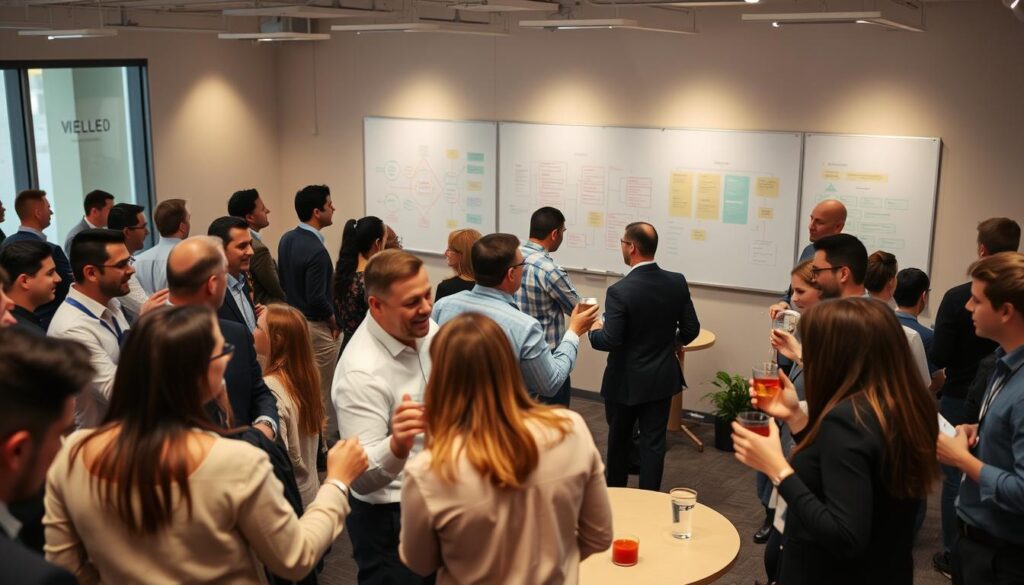
Leveraging Networking Events for Community Building
Going to a networking event without a plan is like showing up to a potluck without food. Everyone notices, and it’s not impressive. These events are more than just collecting business cards. They’re about building real connections.
Doing your homework before an event sets you apart. It’s not about being a stalker. It’s about knowing who’s working on interesting projects. This way, you can dive into meaningful talks right away.
Your elevator pitch should be personal, not corporate. Share what keeps you up at night. Passion is key, not jargon.
How you approach people matters a lot. A firm handshake and real interest in their work can create instant rapport. Ask about their challenges or goals. This turns small talk into deep connections.
Good conversations need open-ended questions. Share your knowledge freely. Community building is about helping each other, not competing.
Building real relationships means listening more than talking. Look for people who share your passions, not just LinkedIn connections. Quality is more important than quantity.
Using social media is essential today. Send a personalized message within 24 hours to turn a brief meeting into a lasting connection. This ongoing interaction is where event participation really pays off.
Benefits go beyond just adding contacts. You get professional growth, new knowledge, and trust in your field. You also build lasting support systems.
Effective event participation turns these events into chances to build a community. It’s not about collecting cards. It’s about finding your tribe and creating something meaningful together.
Real-world Examples
Theory is great for talks, but real change happens in action. It’s where people meet their local government.
The Community Development Block Grant Program started in 1974. It showed that local communities can spend their money better than distant officials. It was like giving the keys back to the people who live there.
AmeriCorps began in 1993, sending young people to help communities. They painted schools and tutored kids instead of just talking about poverty. This showed that boots on the ground work better than just talking.
The digital world changed things too. Movements like #BlackLivesMatter showed how fast online communities can act. Digital spaces became like town squares, open all the time.
Businesses also got involved. CSR efforts moved from just giving money to real local networking. Companies found that real community work looks better on their books than just PR.
Local governments started using SMART goals. “Increase engagement” became “20% more town hall attendance in six months.” Now, promises are backed by real targets.
Creating profiles for community members is key. It’s the difference between seeing people as just “residents” and knowing them as individuals. For example, “Sarah, 42, works at the hospital, worries about parking, and attends PTA meetings.”
Today’s strategies meet people where they are. Some want to join in online, others need to meet face-to-face. The best approach blends both.
Digital tools now track how well we’re doing. We’ve moved from guessing to using data to improve community building.
The common thread in all these examples? Good engagement respects that local networking is different for everyone. It’s about meeting people where they are – physically, digitally, or emotionally.
When we listen to communities, amazing things happen. The best strategies come from real conversations, not just telling people what to do.
Overcoming Engagement Challenges
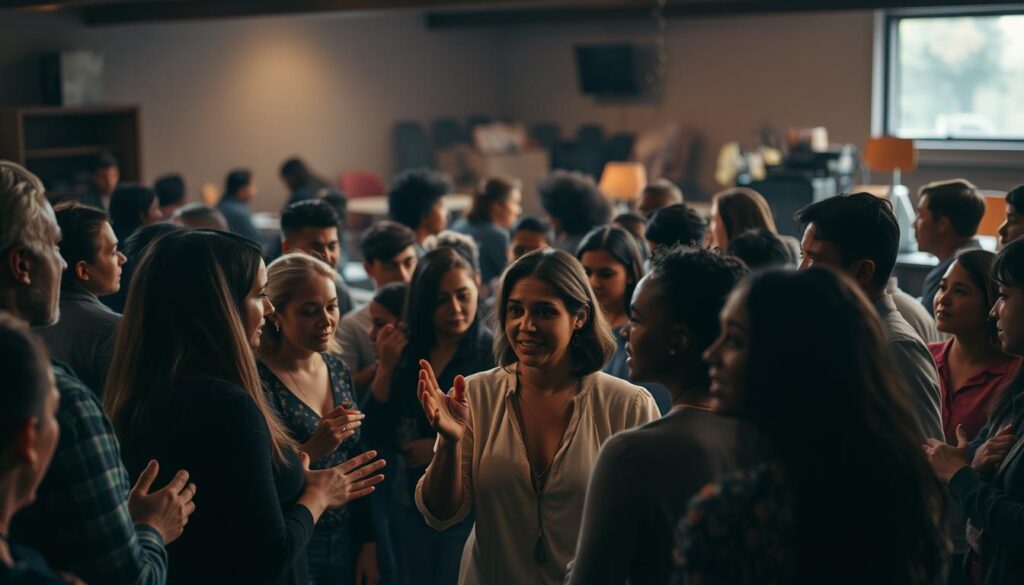
Let’s get real: most community engagement efforts fail. We treat communities like they’re one-size-fits-all, ignoring their unique needs. This approach is as outdated as a flip phone.
The digital divide is real. It’s about Grandma trying to use Zoom while her community makes decisions on Nextdoor. It’s about the single mom working three jobs who can’t attend your 7 PM meeting. We’re creating systems that only work for those already involved, leaving others behind.
Remember Arnstein’s Ladder from 1969? It showed how organizations pretend to listen but really hold all the power. Fifty years later, we’re using new tech to keep playing the same game.
People are tired of being asked for input that doesn’t change anything. They’ve developed “engagement fatigue,” similar to binge-watching fatigue but with worse outcomes.
So, how do we fix this? Here’s the truth:
- Ditch the one-time stakeholder analysis. Communities change fast, so you need regular checks, not just annual surveys
- Embrace adaptive frameworks. If your model can’t adapt quickly, it’s already outdated
- Bridge the digital divide. Use both tech and personal touch: apps and paper surveys, Zoom and in-person meetings
- Show actual results. Nothing kills interest faster than feeling like your input goes nowhere
The asset-based approach has its limits. You can’t just bootstrap your way past structural inequality. Sometimes, those most engaged have the most time and resources.
Transparent communication means sharing successes and failures. When people see why some ideas can’t work, they’re more likely to stay involved than when they’re left wondering.
Genuine power sharing means giving up control to community members. It’s messy and essential for real community engagement.
The best frameworks treat communities as living, breathing entities. They might not fit your plan, but that’s okay. The best strategies are like jazz, full of improvisation.
Digital inclusion is more than just tech access. It’s about creating opportunities that work for everyone, regardless of their digital skills or time. Your fancy app might be excluding the voices you need to hear.
Moving beyond tokenism means having tough talks about power. Who decides? Who’s always at the table? Who’s never invited? These questions reveal true engagement from just pretending.
At its core, successful community engagement shows that participation matters. When people see their input leading to real changes, they’ll engage. If not, they’ll disengage quickly.
The challenge isn’t getting people to care. It’s showing that their caring will make a difference. Crack this code, and your town halls will be packed.
Sustaining Community Connections
Keeping community engagement going is tougher than starting it. The excitement wears off. Then, the real effort begins.
Event participation is just the beginning. It starts a conversation. Keep that conversation going online between events.
Follow-up is key. Regular events create a rhythm. Being open about successes and failures builds trust. People want to see their efforts make a difference.
Make a plan from what works. Don’t start over. Change based on what people say. Show you’re listening.
Is this engagement worth it? Or is it just a show? Communities stay when they see real benefits in their lives.
Long-term engagement means changing how decisions are made. It’s not a project with an end date. It’s a new way of doing things.