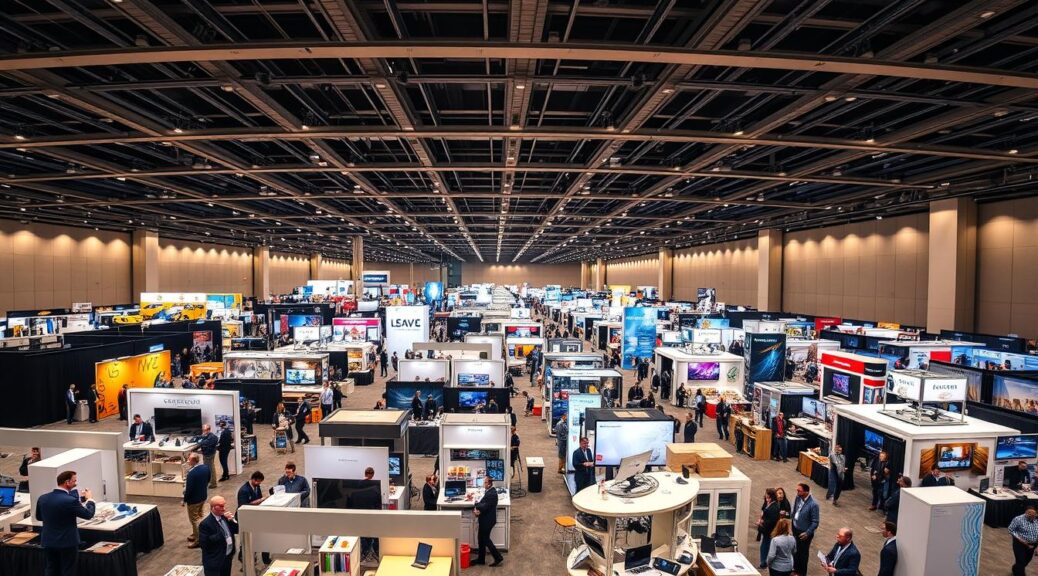
Let’s be honest – most companies approach trade shows like they’re preparing for a middle school dance. Everyone’s trying too hard, nobody knows the right moves, and someone always ends up with punch on their shirt.
The data reveals a brutal truth: while 89% of businesses claim they compete on customer experience, only 8% actually deliver what customers would call “spectacular.” That gap represents both a failure and an opportunity.
We’re going to break down how to create a marketing plan that actually works, not just looks pretty in PowerPoint. You’ll learn to select events where your ideal clients actually show up, not just where the free swag is best.
Smart budget planning transforms these events from costly obligations into strategic investments. Because in the world of trade shows, the early bird doesn’t just get the worm – it gets the entire ecosystem.
Setting Objectives
Walking into a trade show without clear goals is like showing up to a black-tie gala in sweatpants – you’ll stand out, but for all the wrong reasons. The corporate world is filled with vague mission statements that sound impressive in boardrooms but crumble under the pressure of actual measurement.
Here’s the reality check: if your objectives can’t be quantified, they’re just wishful thinking. We’re talking specific, measurable targets that would make a NASA engineer proud. Think “27 qualified leads from C-suite attendees” or “15 scheduled follow-up meetings with procurement managers” – numbers that actually mean something.

Before you even consider booking that booth space, ask yourself the hard questions: Are you hunting for suppliers? Seeking trend insights? Scouting technology partners? Your entire exhibition strategies should revolve around these answers. It’s the difference between showing up with snow boots when everyone else has flip-flops – a conversation killer if there ever was one.
The most effective approach involves three key steps:
- Define precise business development objectives
- Establish target metrics that actually matter
- Research exhibitors and attendees beforehand
This isn’t about throwing darts blindfolded. It’s about strategic targeting with the precision of a surgical strike. Your objectives should align with your company’s actual challenges and opportunities – not some generic corporate wishlist.
When you set your objectives properly, you transform from just another exhibitor into a strategic player. You’ll know exactly what success looks like, how to measure it, and most importantly – how to replicate it show after show.
Remember: in the world of trade shows, vague goals produce vague results. Specific objectives? They produce specific outcomes that actually move the needle for your business.
Engaging with Exhibitors and Visitors
Welcome to the trade show thunderdome, where every handshake is a chance for fortune. Today’s attendees are focused, with specific missions and little time to waste.
Forget the usual “can I help you?” question. Modern trade shows need something more like a Broadway show or CIA briefing. Visitors know what they need and are looking for solutions, not just to browse.
To stand out, become their go-to source. Skip the generic brochures and create experiences that would impress Walt Disney.
Here’s how to make your booth a must-see:
- Augmented reality demonstrations that take visitors to your manufacturing floor
- Interactive kiosks that feel like video games, not sales tools
- Conversations so tailored they’d make a bespoke tailor blush
Official event apps and matchmaking services are key. They help you find the most valuable visitors before they even arrive.
Your booth isn’t just competing with others. It’s up against Instagram, caffeine, and the comfort of their shoes. Your strategy must be more appealing than all three.
Personalization is a must. Visitors expect you to know their needs before they do. It’s like being a mindreader, but with better results.
The best exhibitors don’t just sell products. They create experiences that people remember long after the show.
In the world of attention, being generic means being invisible. Unique engagement is not just a strategy; it’s essential for survival.
Tools for Maximizing Impact
The modern trade show toolkit is more like a Silicon Valley startup’s dream kit than an office supply closet. But, the fanciest tech won’t save you if your team can’t use it.
Pre-show outreach should be like sending engraved invitations, not spam flyers. Your social media strategy should be like a Broadway opening, not a Times Square hustler.
- LinkedIn precision targeting – because blanket blasts are so 1999
- Personalized email sequences that actually get opened
- Teaser content that builds genuine anticipation
Event apps are great, but using them like a pro is key. The best apps help you plan routes better than a GPS in Manhattan.
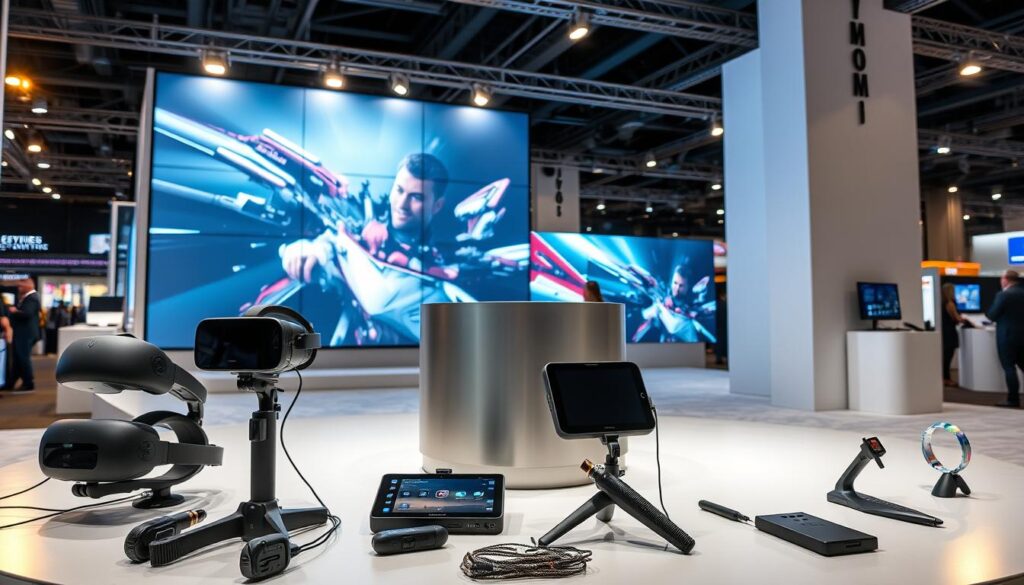
Digital signage should enhance your message, not overwhelm like a Las Vegas casino. Aim for Willis Tower views, not Times Square chaos.
Staff training is critical. Your team should read client cues better than Freud analyzed dreams. Technology enhances human connection, it doesn’t replace it.
The most sophisticated tool in your arsenal remains the ability to listen, adapt, and connect authentically.
Effective event preparation balances new tools with timeless human skills. In a world where everyone’s vying for attention, the best technology might be genuine connections.
Remember: your tech should make you seem advanced without being cold. The goal is to enhance human interaction, not replace it with tools that work.
Post-show Follow-up Strategies
You just nailed the trade show. Now, the real challenge begins. Did you collect business cards only to let them sit idle? That’s where effective exhibition strategies come in.
Follow the 72-hour rule. Make contact while the conversation is fresh. Use your CRM to keep track of interactions. Turn a quick conversation into a lasting bond.
Personalize your follow-up. Mention something specific you talked about. Make it seem like a natural continuation, not a sales pitch out of the blue.
Put your notes into your customer relationship management system. Nurture relationships all year. Don’t be the one who only reaches out when they need something.
This stage shows who’s a pro and who’s not. Good exhibition strategies turn leads into strong partnerships.