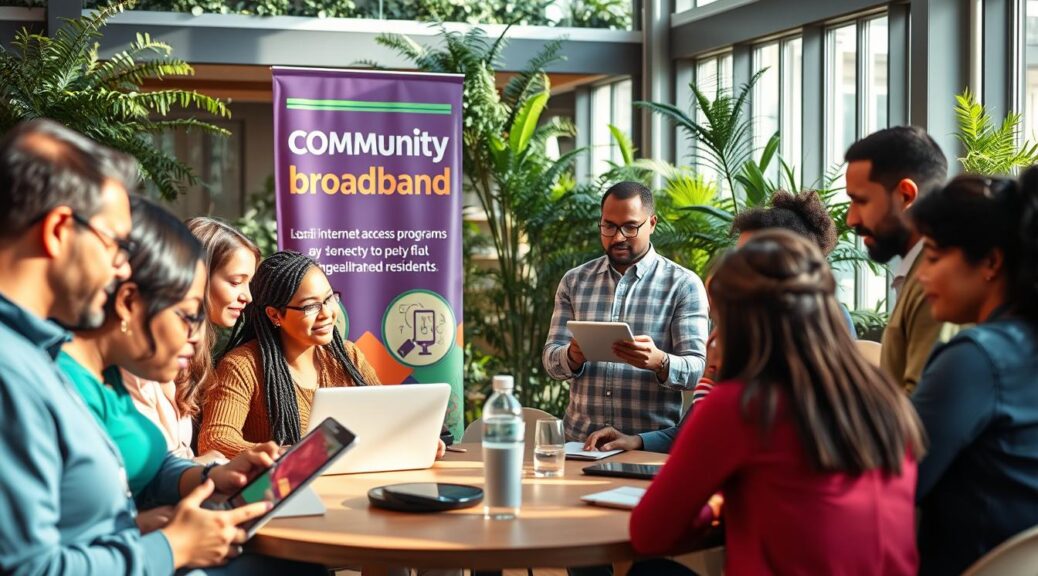
Why Choose Community Broadband?
Community broadband offers many benefits that make it a great choice for internet users. It provides fast and reliable internet, which is essential for today’s digital world. With community broadband, you can enjoy seamless streaming, online gaming, and video calls without interruptions.
Another advantage of community broadband is its affordability. It offers competitive pricing compared to traditional internet service providers. This means you can get high-speed internet without breaking the bank.
Community broadband also supports local businesses and communities. By choosing community broadband, you are investing in your community’s growth and development. It helps create jobs, stimulates local economies, and fosters innovation.
One of the key benefits of community broadband is its commitment to customer service. Community broadband providers often have a strong focus on customer satisfaction. They offer personalized support, quick troubleshooting, and reliable technical assistance.
Community broadband is also known for its transparency and accountability. Community broadband providers are often transparent about their network infrastructure, pricing, and data usage policies. This transparency helps build trust and ensures that you have control over your internet experience.
By choosing community broadband, you are supporting a community-driven approach to internet access. It empowers local communities to take control of their internet infrastructure and make decisions that benefit everyone. This collaborative approach fosters a sense of community and promotes digital inclusion.
Overall, community broadband offers fast, affordable, and reliable internet access that supports local businesses and communities. It provides a unique opportunity to invest in your community’s growth and development while enjoying a seamless online experience.
Listening First: community mapping, surveys, advisory councils
Community mapping isn’t about spying; it’s about truly hearing what people need. Before you start planning, take a step back. Listen first, not just to hear, but to understand deeply.
Building a community program without knowing the community is like building a house without a plan. It’s not about the technology, but about knowing the community well.
Real listening needs three key tools, used with respect, not arrogance.
1. Community Mapping: Your Ground Truth
Forget about just looking at numbers. Real mapping shows who has power, where people meet, and past issues with outsiders. It’s about understanding the community’s culture and history.
This approach helps avoid big mistakes. For example, in Paraguay’s Chaco region, a telecom company learned that selling carob flour online was more important than just data plans.
2. Surveys That Don’t Suck
Most surveys just confirm what companies already think. Good surveys challenge your ideas. They should be easy to understand, respectful, and actually lead to change.
Ask open questions like “What’s the biggest barrier to getting online for your family?” This way, you find out what’s really holding people back, like fear or lack of local content.
3. Advisory Councils With Real Teeth
An advisory council should be more than a photo opportunity. It should be a place where real opinions are heard. Include diverse voices and pay them for their time and knowledge.
This council helps you avoid mistakes and brings new ideas. It’s key for working well with Indigenous communities, where different agencies often don’t work together well.
Studies show that community-led connectivity works best. It uses the right technology and relies on local leaders. Your role becomes more about helping than telling.
Don’t skip the listening phase, or your efforts will be seen as unwanted. But if you listen well, map with curiosity, survey with humility, and empower a council, you might create something lasting. You might even be invited to real town halls, not just the ones you organize.
This initial listening shapes everything that follows. It helps you understand what kind of digital literacy programs are needed. It shows you where to hold town halls. Most importantly, it builds trust when things get tough. In community engagement, your strength comes from listening well.
Understanding Digital Literacy
Digital literacy is a key skill in today’s world. It means knowing how to use digital tools and technology. This includes using computers, smartphones, and the internet.
Being digitally literate means you can find and use information online. You can also create and share content. This is important for both personal and professional life.
There are many ways to improve your digital literacy. You can take online courses or attend workshops. These help you learn new skills and stay up-to-date with technology.
Learning about digital literacy is important. It helps you navigate the digital world better. It also opens up new opportunities for personal and professional growth.
Benefits of Digital Literacy
Digital literacy has many benefits. It helps you:
- Find and use information online
- Create and share content
- Stay connected with others
- Improve your skills and knowledge
By being digitally literate, you can make the most of technology. This can help you in your career and personal life.
Understanding the Role of Town Halls in Local Governance
Town halls play a vital role in local governance, serving as the heart of community engagement and decision-making. These institutions are essential for fostering transparency and accountability, ensuring that the voices of residents are heard and valued.
What is a Town Hall?
A town hall is a public forum where residents can gather to discuss local issues and participate in town hall meetings. These meetings provide a platform for open dialogue, allowing citizens to share their concerns and ideas directly with local leaders. This direct communication is a cornerstone of effective local governance, ensuring that the needs and opinions of the community are taken into account.
Importance of Town Halls in Local Governance
The importance of town halls in local governance cannot be overstated. They serve as a bridge between residents and their elected officials, facilitating a two-way communication that is critical for building trust and fostering community engagement. By hosting town hall meetings, local leaders can address pressing issues, gather feedback, and make informed decisions that reflect the collective interests of the community.
Ultimately, town halls are instrumental in ensuring that local governance is transparent, accountable, and responsive to the needs of its citizens. They provide a space for residents to come together, share their perspectives, and contribute to the development of their community.
Local Hiring & training: apprenticeship and certification partners
The old way of bringing in talent from outside is a big problem. It’s hard to manage and looks bad to the public. A smarter move is to hire people who already live in the area.
Creating a local workforce pipeline is smart business, not just a feel-good move. It’s about building a team that really cares about the network’s success. It’s not just about laying down fiber; it’s about growing talent.
Think of it as a smart investment. Work with local schools and groups like the Urban League or unions. Create apprenticeships for jobs like fiber splicing and customer service. Make sure they get certified.
It’s a win-win. You help the local economy by paying workers, which creates more customers. You also build a team that will promote your service well. They become your best sales team.
Another big plus is solving the skilled labor shortage. The U.S. needs many more technicians. Programs like Upskilling for Industry show that training quickly works. You’re not just finding workers; you’re creating them.
This is not just about technical skills. Basic digital literacy programs help more people use your services. It’s a cycle of training, hiring, serving, and doing it all again.
The benefits go beyond just making money. You earn the trust of the community, keep your operations stable, and prepare for the future. It turns a project into something truly owned by the community. That’s good for everyone, not just your bottom line.
Vendor Diversity & local procurement
Let’s check your supply chain like it’s a TV show reveal. Where does the money go for safety vests, printed stuff, or team coffee? If all invoices go to a big company far away, you’re missing a big chance. You’re showing you’re not really part of the community.
Choosing local vendors and diverse suppliers boosts your community broadband project. It turns your project into a local investment. This isn’t just giving back. It’s smart business.
Think about it. Using the local print shop for flyers keeps money in the area. Hiring a minority-owned security firm for events builds real connections. Buying lunch from a family-owned diner? That’s a great story waiting to happen. Each choice makes your company part of the local economy.
The message is clear: “We’re here to build *with* you, not just *for* you.” When local businesses do well because of you, you’re no longer an outsider. You become a part of the community. And in infrastructure, being a neighbor means you’re trusted.
| Criteria | Local Procurement | National Procurement |
|---|---|---|
| Economic Impact | Direct dollar recirculation; creates local jobs. | Leakage; profits exit the community. |
| Trust Signal | Strong. Demonstrates tangible investment. | Weak. Seen as transactional and detached. |
| Operational Agility | High. Quick turnaround, personal service. | Low. Bound by corporate processes. |
| Community Integration | Deep. Builds allies for your community broadband rollout. | Superficial. No local advocates or champions. |
| Long-Term Value | Builds resilient local networks and goodwill. | Minimal. Relationship ends with the purchase order. |
This way, you build a stronger, more supportive place for your network. The café owner who got your contract will support you. The local electrician will understand your project’s value. They’ll help spread the word.
Real community broadband is about more than just cables. It’s about the relationships and economic growth you support. Your supply chain is a story. Make it a hit in your community.
Measuring Impact: adoption, satisfaction, jobs created
If you’re not measuring the right things, you’re just wasting time. The telecom industry often focuses on the wrong metrics. For example, subscriber counts don’t always show community benefits.
Let’s be honest, I don’t care about your media mentions. What matters is whether Mrs. Johnson in the rural area can video-call her grandkids without issues.
At the end of 2022, 99.4% of urban households had fast internet. But only 67.4% of rural households had the same speed. This shows a big gap that needs to be addressed.
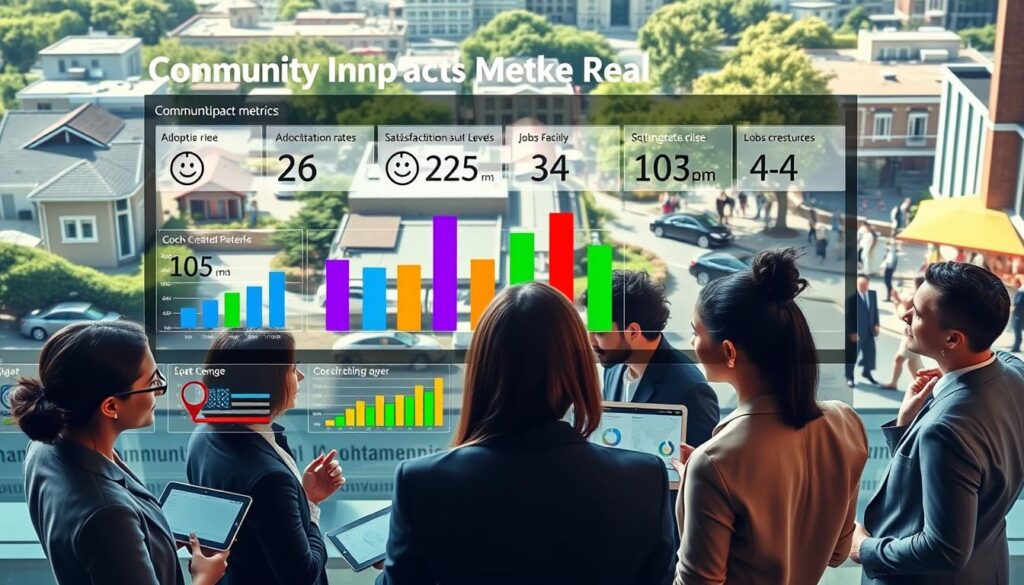
So, what should you track? Forget about vanity metrics and focus on these three:
- Adoption Rates Within the Engaged Community: Check if people in your target areas are signing up. Look at local numbers, not just averages. Did a digital literacy workshop lead to new customers?
- Satisfaction Through Targeted Net Promoter Scores: Use specific NPS data for your community programs. Ask if people would recommend your Wi-Fi program to neighbors. This feedback is very valuable.
- Jobs Created & Enabled: Count both direct hires and indirect economic benefits. Did a local café grow because of fast internet? Did a freelancer get remote work?
Measuring satisfaction is tricky. Research shows that happy employees and community members lead to more tech adoption. A happy community member can be your best advocate.
Now, let’s talk about jobs. It’s important to count real career starts, not just training. Your workforce pipelines should show clear results:
- Direct hires in your company or partners
- Local businesses that grew because of better internet
- Freelancers or remote workers with stable jobs
- New small businesses in the community
This data proves your impact. It turns stories into solid evidence of your value. When you go to town halls, you can show real results.
This data also helps with grant applications. Funding agencies want to see real change, not just stories. Your numbers show the impact you’ve made.
Remember, what you measure matters. What you celebrate gets done again. But first, you need to know what’s worth celebrating. Stop counting press clips. Start counting lives changed.
Understanding Digital Literacy
Digital literacy is a key skill in today’s world. It means knowing how to use digital tools and technology. This includes using computers, smartphones, and the internet.
Being digitally literate means you can find and use information online. You can also create and share content. This is important for both personal and professional life.
There are many ways to improve your digital literacy. You can take online courses or attend workshops. These help you learn new skills and stay up-to-date with technology.
Learning about digital literacy is important. It helps you navigate the digital world better. It also opens up new opportunities for personal and professional growth.
Benefits of Digital Literacy
Digital literacy has many benefits. It helps you:
- Find and use information online
- Create and share content
- Stay connected with others
- Improve your skills and knowledge
By being digitally literate, you can make the most of technology. This can help you in your career and personal life.
Why Choose Community Broadband?
Community broadband offers many benefits that make it a great choice for internet users. It provides fast and reliable internet, which is essential for today’s digital world. With community broadband, you can enjoy seamless streaming, online gaming, and video calls without interruptions.
Another advantage of community broadband is its affordability. It offers competitive pricing compared to traditional internet service providers. This means you can get high-speed internet without breaking the bank.
Community broadband also supports local businesses and communities. By choosing community broadband, you are investing in your community’s growth and development. It helps create jobs, stimulates local economies, and fosters innovation.
One of the key benefits of community broadband is its commitment to customer service. Community broadband providers often have a strong focus on customer satisfaction. They offer personalized support, quick troubleshooting, and reliable technical assistance.
Community broadband is also known for its transparency and accountability. Community broadband providers are often transparent about their network infrastructure, pricing, and data usage policies. This transparency helps build trust and ensures that you have control over your internet experience.
Overall, community broadband offers fast, reliable, affordable, and customer-focused internet services. By choosing community broadband, you can enjoy a better internet experience while supporting your local community.
How to Prepare for a Town Hall Meeting
Attending a town hall meeting is a great way to engage with your community and express your opinions. To make the most of this opportunity, it’s important to prepare thoroughly. Here are some tips to help you prepare for a town hall meeting:
1. Research the Agenda
Before attending a town hall meeting, take some time to research the agenda. Look for information on the topics that will be discussed and any specific issues that will be addressed. This will help you understand the focus of the meeting and allow you to prepare your thoughts and questions.
2. Familiarize Yourself with the Format
Each town hall meeting may have its own format and structure. Some may involve presentations, panel discussions, or open mic sessions. Familiarize yourself with the format to know what to expect and how to participate effectively.
3. Prepare Your Questions
Having thoughtful and well-prepared questions is essential for engaging in a productive discussion during a town hall meeting. Consider the topics that will be discussed and come up with questions that will help you gain a deeper understanding of the issues. Write down your questions and bring them with you to the meeting.
4. Practice Your Public Speaking Skills
If you plan to speak during the meeting, it’s a good idea to practice your public speaking skills. Speak clearly, confidently, and concisely. Practice your speech in front of a mirror or record yourself to identify areas for improvement.
5. Dress Professionally
When attending a town hall meeting, it’s important to present yourself professionally. Dress in attire that reflects respect and professionalism. This will help you make a positive impression and show that you are serious about participating in the discussion.
6. Arrive Early
Arriving early to a town hall meeting allows you to get settled, find your seat, and get familiar with the surroundings. It also gives you time to mingle with other attendees and engage in pre-meeting discussions.
7. Stay Engaged and Active
During the meeting, stay engaged and actively participate in the discussion. Listen attentively to the speakers, take notes, and contribute your thoughts and ideas. Engaging in a town hall meeting is a two-way street, and your active participation is essential for a productive exchange of ideas.
8. Follow Up
After the town hall meeting, take the time to follow up on any commitments or actions discussed during the meeting. This may include contacting local officials, joining community groups, or participating in future town hall meetings. Following up demonstrates your commitment to the issues and helps create lasting change.
By following these tips, you can make the most of your town hall meeting experience and contribute to the growth and development of your community.
Funding & grants pairing (BEAD, CPF, EDA)
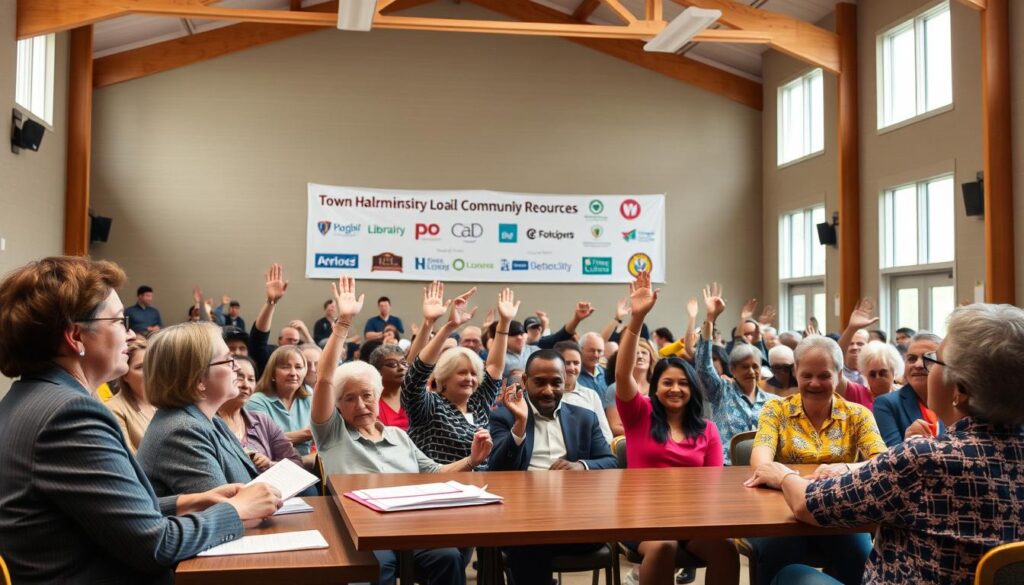
So, you’ve set up advisory councils and held town halls. Now, you’re in the funding maze with BEAD, CPF, and EDA. The truth is, your technical details are not the main draw. What funders really want is your community’s trust.
Imagine pitching a reality show. The network (NTIA) is looking for a hit, not a failure. Your community engagement is the key proof. Alabama’s ADECA didn’t just file papers. They held 68 sessions in 67 counties, surveyed people, and worked with local groups.
This effort wasn’t just for show. It was the heart of their BEAD Initial Proposal. It turned local data into a strong funding story.
Look at Canada’s Universal Broadband Fund. They aim to connect 98% of Canadians by 2026. Their success comes from proposals that show communities will use the new services. Your plans for local jobs, library Wi-Fi, and digital skills are essential. They make your grant application strong.
The real connection isn’t just fiber. It’s showing you understand the people you’re serving. In the end, that’s what funders really value.