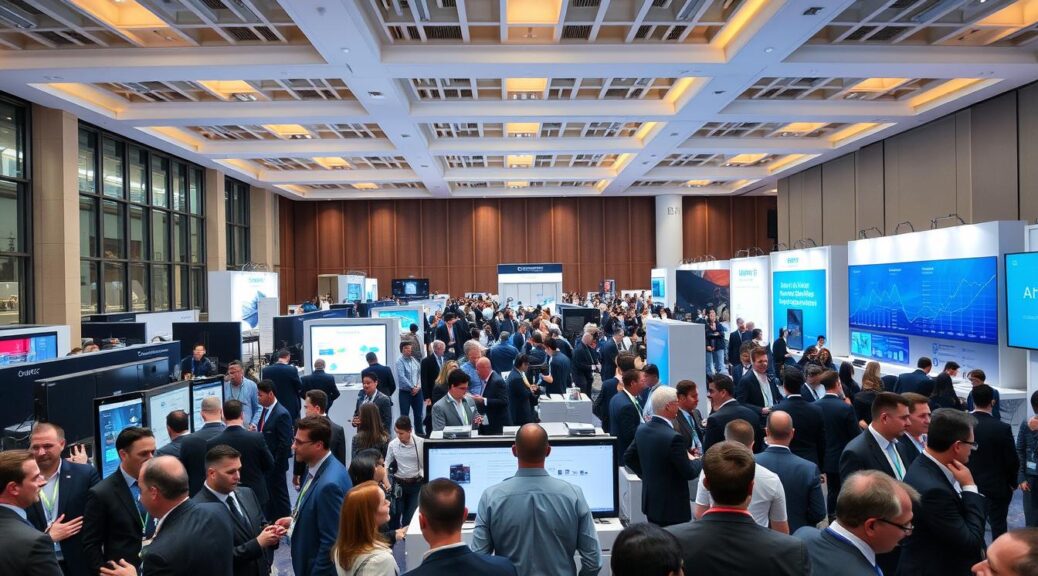
Remember dial-up? That agonizing screech, the glacial pace. Trying to run a modern industry gathering with an outdated mindset feels just like that.
Today’s landscape is pure fiber-optic speed. A strategic summit here isn’t about rubber chicken and a rented room. It’s about building a temporary, IRL version of your network. It needs to handle massive data exchange—only this data is ideas, deals, and handshakes.
Think about it. In a sector that redefines connection daily, why is your approach to connecting people stuck in the past? Your communications plan is the backbone, not the backdrop. It’s the narrative that makes missing your telecom conference feel like being left off the group chat for the next big protocol shift.
We’re moving past boring checklists. Let’s talk about crafting an experience that cuts through the static and actually means something.
Pre-Event Planning: 6-Month Timeline
While others are catching their breath after the last review, smart planners are already six months into planning the next big telecom event. This 24-week period is not about rushing. It’s about building momentum, attracting top speakers, and making your event stand out in a sea of emails.
This phase is like planning a heist movie, not just making a Gantt chart. It’s where a meeting goes from forgettable to unforgettable, in what we call the quiet phase (weeks 24-18).
Your first task is to define success. Is it about how many people show up, or getting 50 leads from big buyers? Are you measuring connections or media coverage? Without clear goals, your event is just a party hoping for the right guests.
Next, create a detailed audience profile. Is your ideal attendee a network architect or a C-suite executive? This isn’t just guessing demographics. It’s about understanding their behavior to shape your event’s content and even the coffee you serve.
Choosing a venue is a critical decision. For tech pros, the location is part of the event’s message. A boring hotel ballroom sends one message; a cutting-edge hub sends another. This choice can increase registration by 20% or kill your event before it starts.
Traditionally, the communications timeline starts 12 weeks before. But our 6-month plan does the heavy lifting upfront. Weeks 18-12 are for crafting your event’s story—why it matters now, in today’s tech and regulatory landscape.
Then, it’s time to create event materials that look and feel premium. Your save-the-date, website, and speaker info must convey prestige and relevance. For major events, your design is your first impression.
Start reaching out with a touch of subtlety. Aim for conversations with sponsors, speakers, and influencers, not spamming the world. A well-timed whisper in week 16 can be more powerful than a hundred emails in week 8.
Here’s a reverse-engineered timeline:
- Weeks 24-18 (The Quiet Phase): Set goals, develop personas, secure a venue.
- Weeks 18-12 (Narrative Construction): Finalize messaging, lock in visual identity, build a target list.
- Weeks 12-8 (The Soft Launch): Start strategic talks, invite top speakers, launch the website.
This approach turns the last-minute rush into a well-planned build-up. By the time the usual 12-week push starts, your event has a strong foundation. You’re not just planning an event; you’re creating a gravitational pull.
The data shows that announcing 12 weeks early is basic. But those who start at 24 weeks are not just filling seats. They’re shaping the conversation for the next season. They create the buzz that turns a conference into a must-attend event for telecom pros.
Venue Selection for Tech Professionals
Forget crystal chandeliers. The true luxury for tech events is measured in megabits per second and power outlets per square foot. You’re not booking a space. You’re architecting an ecosystem for connection.
The wrong venue choice is the silent killer of conference ROI. I’ve seen beautiful hotels where the Wi-Fi died faster than a startup’s runway. I’ve watched brilliant minds trapped in windowless basements, their innovative energy literally draining into the carpet.
Selecting a venue for this crowd requires a different calculus. It’s about latent networking events within the event itself. The goal? To make serendipity a feature, not a bug.
Let’s break down the three non-negotiable pillars. First, geographic fairness. No one wants a three-hour Uber from the airport after a cross-country flight. Proximity to major transit hubs isn’t a perk; it’s a prerequisite for fresh, engaged attendees.
Second, architectural flow. Think of your attendees as packets of data. The venue layout is the router. You want to encourage collisions, not congestion. Wide hallways, natural gathering nooks, and clear sightlines are your allies. Avoid labyrinths that isolate people.
Third, the technical womb. This is where most generic venues fail. Can the infrastructure handle a thousand devices simultaneously live-tweeting a keynote? Is there a dedicated, uncontested internet line, or are you sharing bandwidth with the hotel’s Netflix streamers?
Ask about power. Not just “we have outlets.” Ask for the outlet-to-person ratio in every room. The lifeblood of successful networking events is a charged phone and a live laptop. A dead battery means a dead connection.
Here’s a stark comparison. It illustrates why a convention center might beat a boutique hotel, even if the latter has better art on the walls.
| Venue Type | Networking Potential | Tech Readiness | Cost Efficiency |
|---|---|---|---|
| Traditional Convention Center | High. Large, open common areas and purpose-built breakout rooms naturally funnel people together. | Excellent. Built for trade shows with robust, scalable internet and abundant floor power. | Variable. Base rental can be high, but tech costs are often lower due to existing infrastructure. |
| Boutique Hotel / Conference Space | Moderate to Low. Layouts can be fragmented, with narrow corridors that inhibit mingling. | Risky. “State-of-the-art AV” may mean one overworked technician named Steve and a single aux cord. | Seemingly lower. All-inclusive packages are tempting but often hide massive overages for bandwidth upgrades. |
| University / Tech Campus | High. Innovative spaces, atriums, and collaborative environments designed for idea exchange. | Superior. Fiber-optic backbones and IT support are inherent to the environment. | High. Often offer great value and are philosophically aligned with the mission of knowledge sharing. |
| Non-Traditional “Cool” Space (Warehouse, Museum) | Unpredictable. Could be amazing for buzz, but flow is an afterthought. Can create attendee clumps. | Poor to Nonexistent. Thick walls kill cell signals. Historic buildings rarely have modern power grids. | Low. You will pay a premium for the aesthetic while funding a complete tech build-out from scratch. |
The table doesn’t lie. The venue that looks best on Instagram often performs worst for actual work. I once booked a stunning industrial loft. The photos were incredible. The reality? The only power source was a single outlet 50 feet from the presentation area. We spent thousands on extension cords and cable guards.
Always, always do a technical site visit. Bring your production manager. Have them ask to see the router closet. Test the Wi-Fi with a load-simulating tool during peak hotel hours. Count the outlets. Your venue is your most critical piece of technology.
Get this right, and the space itself becomes a silent partner. It facilitates the hallway conversation that solves a latency issue. It enables the impromptu whiteboard session that sparks a partnership. That’s the magic. The right infrastructure transforms a simple gathering into transformative networking events.
Budgeting for Telecom Conferences
Creating a telecom conference budget is about making smart choices. It’s not about throwing money around like it’s confetti. Think of it as building a machine that generates leads, not just a fancy event.
Imagine you’re your company’s CFO. In telecom, we focus on ROI, CAPEX, and OPEX. Why should event planning be any different? Your goal is to get the most value for everyone who attends.
Value engineering is key. Some costs are essential, like the foundation of a building. Others are like extra features on your phone that you never use.
Where should you spend money without regret? Invest in strong Wi-Fi and top-notch audio-visual equipment. Good Wi-Fi keeps your event running smoothly, and quality sound makes your keynote memorable.
But where can you cut costs? Skip the fancy giveaways and focus on creating real connections. These are the moments that truly matter.
Here’s a sample budget for a mid-sized telecom conference:
| Category | Allocation % | Priority Level | ROI |
|---|---|---|---|
| Venue & Core Tech | 35% | Critical | High (Foundation) |
| Speaker & Content | 25% | High | Very High (Lead Gen) |
| Attendee Experience | 20% | High | High (Retention) |
| Marketing & Promotion | 15% | Medium | Medium (Awareness) |
| Contingency & Swag | 5% | Low | Low (Nice-to-Have) |
Now, let’s talk about hidden costs. These aren’t in the fancy brochures. Union labor fees and extra server charges can add up quickly.
Don’t forget about:
- Insurance riders for demo equipment
- Last-minute bandwidth upgrades for extra devices
- Climate control surcharges for server rooms
- Post-event cleaning fees for tech professionals
A good telecom conference budget is like a solid network strategy. It focuses on the essential infrastructure and features that matter. It also has a plan for unexpected costs.
See this budget as a way to grow sustainably. Every dollar spent on Wi-Fi and partnerships is an investment in your industry influence. It’s not just about saving money; it’s about making a lasting impact.
Sponsor and Partner Identification
Sponsorship in telecom isn’t just about ads. It’s about creating a space where innovation meets its audience. It’s like co-writing a story with your sponsors. They help create memories for your attendees.
So, how do you find the right partners? Ask who benefits from your event. Is it a new SaaS startup or a big hardware company looking to innovate?

Success comes from matching goals. Your event and sponsors should share the same goals. This creates a perfect partnership.
Move past simple sponsorships. Offer real value with different packages. A top partner might have a special lounge. A mid-level one could lead a key discussion.
Consider “in-kind” partnerships too. A tech company might give you an app in exchange for exposure. This is smart trading.
Your packages should show growing benefits. Here’s a framework:
| Tier Name | Investment Range | Core Benefits | Ideal Partner Type |
|---|---|---|---|
| Visionary | $25,000+ | Keynote speaking slot, exclusive lounge, top branding on all materials, dedicated press release | Market-leading infrastructure vendor or global carrier |
| Innovator | $10,000 – $24,999 | Sponsored breakout session, branded networking hour, premium exhibit space, lead retrieval data | Growing SaaS platform or specialized tech provider |
| Catalyst | $5,000 – $9,999 | Logo on event website, recognition during opening remarks, standard exhibit space, social media shoutouts | Regional service provider or industry association |
| In-Kind Partner | Service Exchange | Prominent “Powered by” credit, demo area, session highlighting their solution, logo in tech credits | Event tech startup, streaming service, or software tool |
This table is more than a price list. It’s a guide to strategic partnerships. Each tier offers a unique way to integrate your industry events.
Remember, good partnerships are a win-win. Your partner’s success means your event’s success. For more tips, check out these five tips to incorporate sponsors into your event.
Finding the right sponsors is a mix of analysis and instinct. You’re not just filling spots. You’re building a team that makes your event better. When done right, partners become your biggest supporters, coming back year after year.
Regulatory and Compliance Considerations
Event planning is like a superhero movie, but compliance is the unsung hero. It keeps everything running smoothly while the flashy heroes get all the glory. In telecom, compliance deals with a bunch of agencies like the FCC and FTC. They watch your event data closely, like it’s a ticking time bomb.
Your event’s registration portal collects a lot of personal info. This means you have to follow rules like GDPR and CCPA. These rules can affect how you handle data from European and California attendees.
Every piece of info you collect creates a digital trail. If you mess up, you could face huge fines. These fines could even be more than what you spend on food and drinks.
Now, think about the content you’re recording. Those keynote speeches are full of legal landmines. You need to get the right permissions from speakers before using their materials.
If you’re streaming your event online, you have to deal with copyright and privacy laws. Even a small part of a song in your presentation could lead to legal trouble. You might also need consent from attendees for their photos or videos.
Showing off new tech? There are rules for that too. You might need FCC approval or special certifications for your demo.
Your terms and conditions document is your defense. It should clearly explain how you use data, who’s liable, and what happens if you cancel. Make sure attendees agree to these terms before they sign up.
Here’s a quick reference table to help you understand compliance:
| Compliance Area | Key Regulations | Common Pitfalls | Best Practice |
|---|---|---|---|
| Data Privacy | GDPR, CCPA, State Laws | Assuming implied consent is sufficient | Explicit opt-in checkboxes, clear privacy policy |
| Content Licensing | Copyright Law, Contract Law | Distributing speaker materials without permission | Written agreements specifying usage rights |
| Tech Demonstrations | FCC Rules, Industry Standards | Operating unapproved devices in public spaces | Pre-event regulatory verification |
| Financial Transactions | PCI DSS, Tax Regulations | Storing payment data insecurely | Using certified payment processors |
Compliance might seem like a lot of rules, but it’s essential. It’s like the plumbing that keeps your event from falling apart when regulators show up.
Think of compliance as a way to manage risks. A clear framework protects your event and builds trust with attendees. It also respects the work of your speakers.
Most importantly, compliance lets you focus on what really matters. It ensures your event is a success, legally and ethically. Compliance is not just a necessary evil; it’s a key to success.
Technology Infrastructure Requirements
Forget “Wi-Fi available” signs – a telecom audience expects top-notch infrastructure. It’s not just about connectivity; it’s about showing you’re a pro. Hosting experts who build global networks means your tech stack is key. Get it right, and you’re on par with them. Get it wrong, and you’ll be trending on Twitter for all the wrong reasons.
What does “bulletproof” mean for a telecom conference? It means three layers of tech: reliable connectivity, working software, and expert support. This combo shows you’re serious.
First, the connectivity. This is your base. You need more than one business-class line. For a serious telecom conference, go for redundant, carrier-diverse internet. Think dual fiber lines from different providers, each with enough bandwidth for 4K streaming and more.
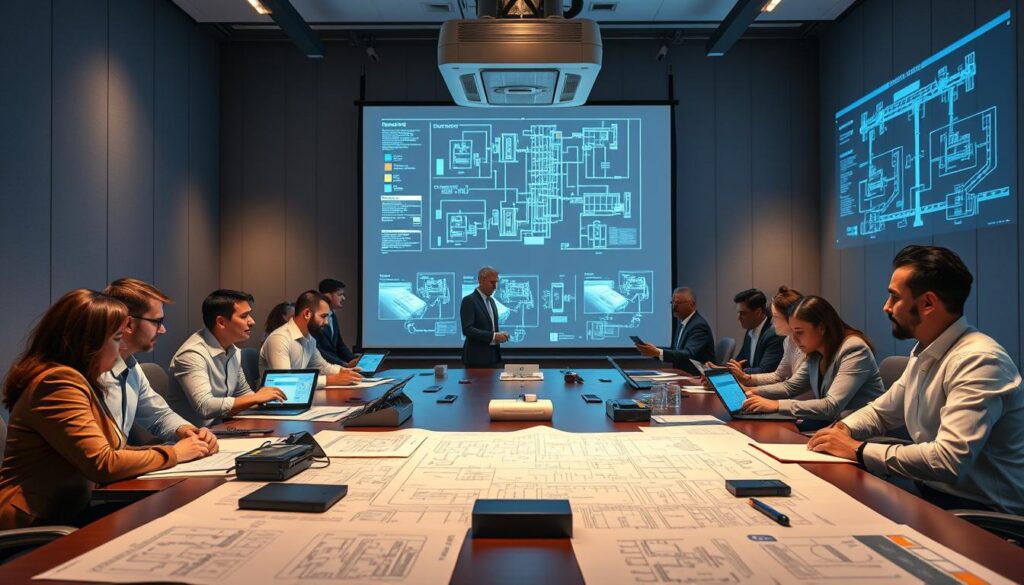
The software layer is critical. For hybrid or virtual events, use platforms like Airmeet or Zoom Events. They offer AI-driven personalization and analytics. For in-person events, the event app is key. Whova is a top choice because it offers push notifications, group chat, and live polling.
Choosing your tech components requires careful analysis. Here’s how the major pieces stack up:
| Infrastructure Component | Critical Features | Recommended Solutions | Common Pitfalls |
|---|---|---|---|
| Primary Connectivity | Redundant lines, carrier diversity, 5+ Mbps per user | Dual fiber from different ISPs, 5G backup | Single point of failure, underestimating bandwidth needs |
| Event Platform | AI personalization, integrated analytics, scalability | Airmeet for hybrid, Zoom Events for enterprise | Poor user experience, limited customization options |
| Conference App | Push notifications, networking tools, live polling | Whova (high adoption), EventMobi (customizable) | Low download rates, confusing interface |
| On-Site Support | Visible tech team, rapid response, multi-skilled | Dedicated NOC, roving technicians with comms | Hidden help desk, slow ticket response times |
Your on-site tech team must be visible, competent, and a bit psychic. They’re not just fixing projectors – they’re troubleshooting VoIP phones and explaining why the livestream buffer icon looks like a sad face. This team is your insurance policy against becoming a cautionary tale.
Planning this level of infrastructure feels overwhelming, I know. It’s the kind of detailed work that benefits from a structured approach, similar to what you’d find in a guide to IT infrastructure planning. The principles are identical: assess needs, design for redundancy, test everything, and have backup plans for your backup plans.
Remember, for telecom professionals, technology isn’t just a tool – it’s their language. Speak it fluently, or don’t bother showing up to the conversation. Your infrastructure should whisper “we know what we’re doing” so loudly that nobody needs to ask about the Wi-Fi password.
Catering for Tech Audiences
Catering for tech pros isn’t about fancy food. It’s about giving them the right fuel for their brains. At events, good food means better networking, more session attendance, and more energy. It’s like keeping a data center running smoothly.
The usual conference lunch can make people sleepy. It’s filled with heavy pasta, bread, and sweets. Instead, focus on brain food architecture.
Here’s a plan for great tech event food:
- Protein-forward options: Grilled chicken, fish, tofu, and legumes for lasting energy
- Complex carbohydrates: Quinoa, sweet potatoes, and whole grains over white bread and pasta
- Healthy fats: Avocado, nuts, and olive oil for brain health
- Vegetable abundance: Fresh, colorful veggies that people actually eat
Don’t forget about hydration. Offer:
- Infused water stations (cucumber-mint, lemon-ginger, berry-basil)
- Quality coffee after 10 AM—tech pros run on different clocks
- Herbal tea for those avoiding caffeine crashes
Strategic snack stations in networking areas are key. They spark conversations like nothing else. It’s all about those small moments around food.
Don’t forget about food labels. They’re not just nice—they’re necessary. Clearly mark:
- Vegan and vegetarian options
- Gluten-free choices
- Dairy-free alternatives
- Common allergens (nuts, shellfish, etc.)
Critical timeline: Finalize menus and share them with attendees a week before. It’s not just about taste—it’s about safety. Surprise someone with an unlabeled nut sauce, and you’ll create chaos.
Speed matters a lot. Tech pros plan their days in 15-minute blocks. Slow lunch service messes up their schedules. Consider these formats:
| Service Style | Best For | Time Efficiency | Networking Opportunity |
|---|---|---|---|
| Multiple buffet stations | Large industry events | High (if well-designed) | Medium (creates natural queues) |
| Boxed lunches | Tight schedules | Very High | Low (people scatter) |
| Food truck courtyard | Casual tech gatherings | Medium | High (shared experience) |
| Plated service | Executive dinners | Low | Structured |
Evening receptions need careful planning. Choose between a structured dinner or a roaming cocktail event. Most events do better with the latter. It encourages mingling, unlike seated dinners that can isolate people.
Remember, bad food is remembered longer than a good keynote. Attendees might forgive a technical glitch or a dull speaker. But they’ll talk about bad food for weeks. Your catering shows respect for their time, health, and professional needs.
Great catering for tech audiences is more than just food. It supports their work, helps them connect, and decides if they leave energized or drained. Get it right, and you’ve solved a big event planning puzzle.
Risk Management and Contingencies
The final exam for any telecom event planner isn’t about being perfect. It’s about handling the unexpected well. Think of it like AT&T’s network redundancy protocols. Your plan needs to be just as resilient.
What if the keynote speaker’s flight gets canceled? A pre-recorded interview can save the day. What if the power fails during a demo? Your good relationship with the venue manager is more important than any generator. These are not panic moments. They are planned responses.
Use the industry’s tools to your advantage. Create a Business Continuity Plan for your event. Include clauses for unexpected events in contracts. Get event cancellation insurance. Make sure there are clear safety plans, even for big events.
Crisis communication is key. Choose one person to speak for your event. Have ready-made statements. A well-handled crisis builds trust more than a smooth event.
Your risk plan should always be updated. It prepares you for any situation calmly. This final step makes your events not just successful, but unforgettable.